|
|
Books
Featured Books
 |
PB2231 • $30.00
Low-Fire Glazes for Potters and Sculptors
Ben Carter, author of Mastering the Potter's Wheel, guides you through the benefits of firing at lower temperatures and explores the nuances of low-fire glazes. Using these tried and true glaze recipes (gloss, satin, matte, & tin) along with techniques for layering, applying decals, and atmospheric firings will provide a wide range of possibilities for your work!
|
 |
PB2226 • $24.95
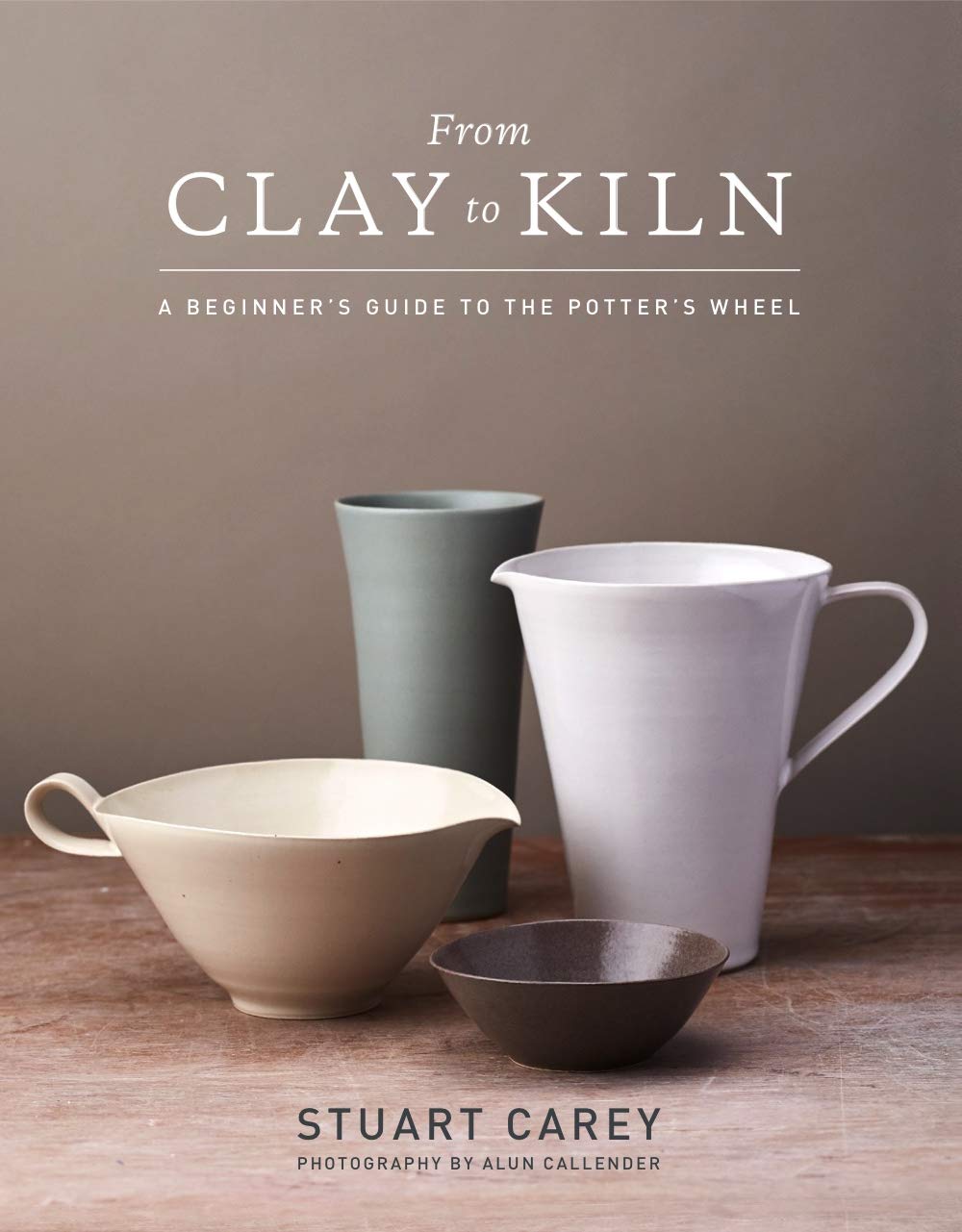
From Clay to Kiln
Stuart Carey guides beginners, weekend crafter's, and students in the art of wheel throwing. You will gain in-depth knowledge of
how to work with clay, create basic shapes, troubleshoot problems, and decorate your pieces.
|
 |
PB2233 • $24.99
The Beginner's Guide to Decorating Pottery
Emily Reinhardt gives you an introduction to glazes, patterns, inlay, luster, and dimensional designs. Helpful tutorials on color theory, combining form and function, keeping a sketchbook, and how to apply surface-design techniques to a variety of projects.
|
General Ceramics 
Ceramic Arts: Innovative Techniques
 |
When it comes to innovation, ceramic artists rank a the top, Anderson Turner shows the versitility of this medium with a collection of creative projects that combine thrown parts to slabs, altering clay with foam rubber, creating molded ware, wood firing, using slips, decals, lusters, adding glass, weaving your clay, making sconces, and so much more. More than 25 innovative artists explore some of the vast possibilities has to offer. |
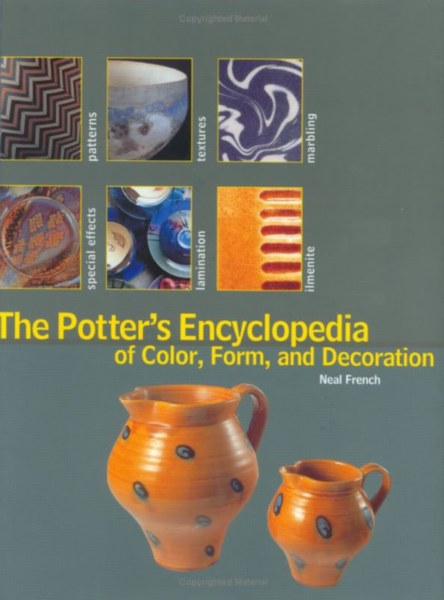
The Potter's Encyclopedia
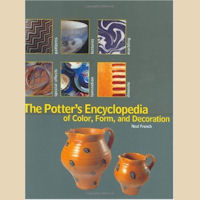 |
Neal French created this comprehensive reference for the limitless shapes and forms, colors, and decorations of pottery. Over 600 shapes and forms are extensively illustrated with inspirational photographs. This practical reference includes several great glaze recipes and how to create them. More than 700 individual glazes are vividly displayed with complete instructions. Plus, readers will learn about ceramic decoration, such as agateware and sgraffito. |
The Ceramics Studio Guide (What Potters Should Know)
 |
PB2194 • $26.99
Learning from others' mistakes is always more efficient and less costly than committing them yourself.. Making functional pottery or ceramic sculpture entails processes in forming clay, drying clay, glazing, and firing. Any one of these steps can cause failures. As ceramics consultant Jeff Zamek points out, under ideal conditions a beginning or advanced student would be guided by a teacher at every step; mistakes and bad habits would be caught as they occurred and corrected. As Zamek says, "This book offers you forty years of wisdom, generated by my students' and my client ceramics companies' issues with clays, glazes, and kiln firing."This guide helps potters to succeed.
|
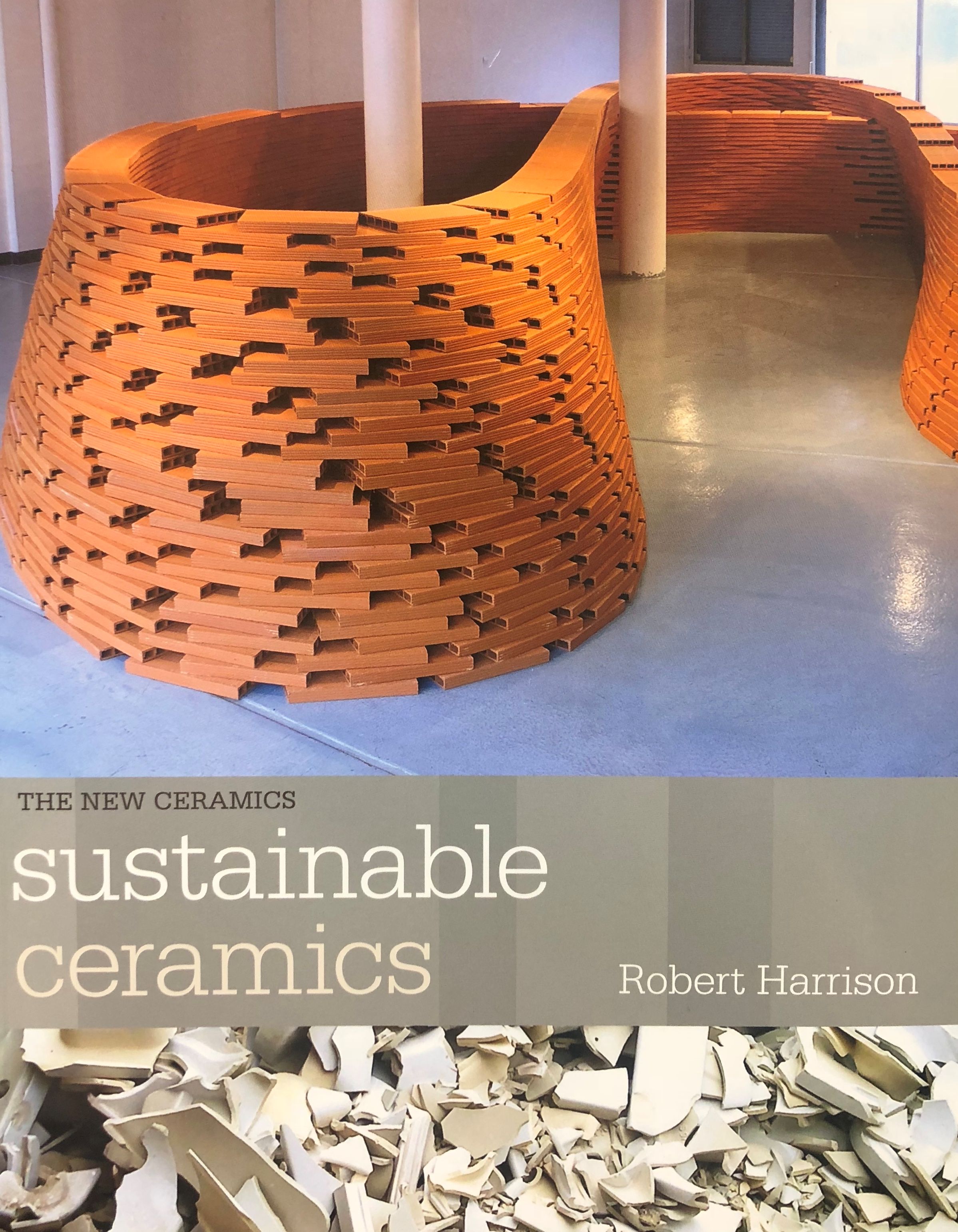
Sustainable Ceramics
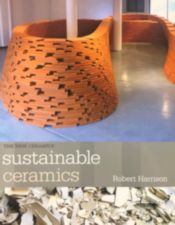 |
More and more artists are interested in producing work that is environmentally friendly and socially responsible. Pioneer Robert Harrison draws on more than four decades of making to cover all the factors to consider when going ‘green’, from fuels and alternative firing technology to energy-saving methods, sustainable ways to collect and use clay itself, plus dealing with waste materials. His simple and achievable methods help reduce the carbon footprint of ceramic art, and offers examples throughout of practitioners who reclaim, reuse and recycle in their work. |
What Makes a Potter
 |
Why are people still handmaking utilitarian pottery in the 21st century? Doesn’t industrial production take care of all our storage and cooking and serving needs? Answers to these questions are vividly realized in the words of potters themselves — funny, philosophical, intense, and inspiring life narratives captured by Janet Koplos, an award-winning art critic who has followed American studio ceramics for the last four decades. Fifty individuals or pairs of potters offer their experiences, their thoughts, and their lessons learned. |
Creative Pottery
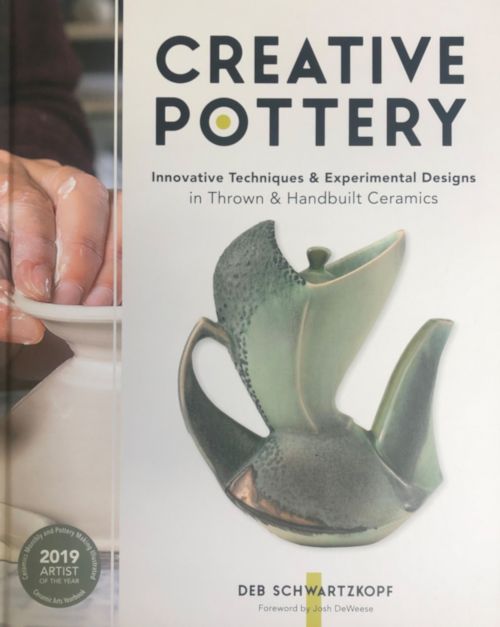 |
Artist Deb Schwartzkopf helps you with a self-guided journey in which you can choose the techniques and projects that interest you: Learn how to throw or handbuild a bottomless cylinder. Then explore seams and alterations for projects like an oval serving tray, altered cylinder vase, and dessert boat. Small changes make a big impact; making an asymmetrical slab plate, throwing plates, and creating a cake stand. Master bisque molds, make spoons, a goblet, a butter dish, plus more complex projects like a pitcher, juicer, teapot, and oil pourer. Unlock your creative potential! |
Anatomy of a Good Pot
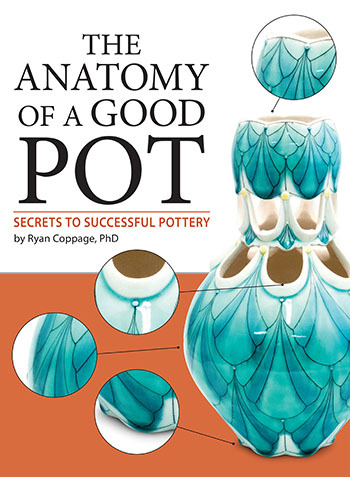 |
When potter, author, and scientist, Ryan Coppage, PhD, was developing his skills and voice as a potter, he set out to determine what makes a pot successful. He approached the task like a scientist, cataloguing several hundred images of the best in contemporary pottery, and making notes of the strengths in each piece. He discovered the same aesthetic elements over and over. When considering openings, contour, elevation, visual cues, and balance in his own work, he saw marked improvement. He taught these elements to beginning students and saw improvement in their work as well. |
Lessons with Clay
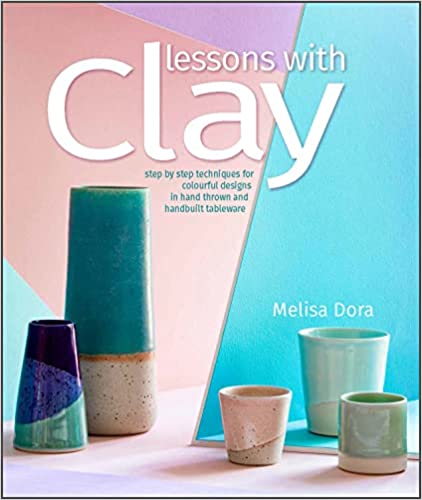 |
Melisa Dora gives you a step-by-step techniques for colorful designs in hand-thrown and hand-built tableware. She will help you reuse, recycle, and reclaim your materials, as well as trouble-shoot, and offers advice for photographing and selling your finished work, and recipes for making your own glazes. A great addition to your studio. |
From Clay To Kiln
|
Stuart Carey guides beginners, weekend crafter's, and students in the art of wheel throwing. You will gain in-depth knowledge of
how to work with clay, create basic shapes, troubleshoot problems, and decorate your pieces. |
Wheelthrowing Techniques
Throwing Techniques
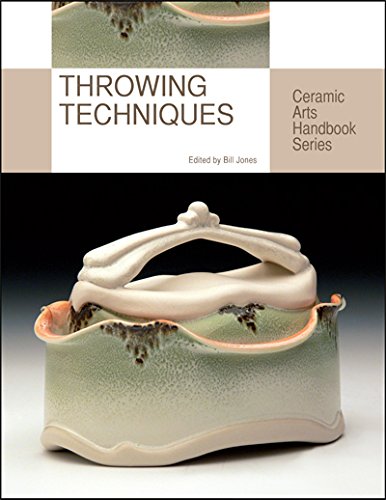 |
This Ceramic Arts Handbook brings together the best techniques, tips and projects from more than two dozen experts published in Pottery Making Illustrated and Ceramics Monthly. In Throwing Techniques, we assume you already know how to throw and that you have mastered several, if not many, techniques. Our goal here is to expand your skills and your options by showing you a wide variety of techniques and step-by-step projects from dozens of talented potters. |
The Beginner's Guide to Wheel Throwing
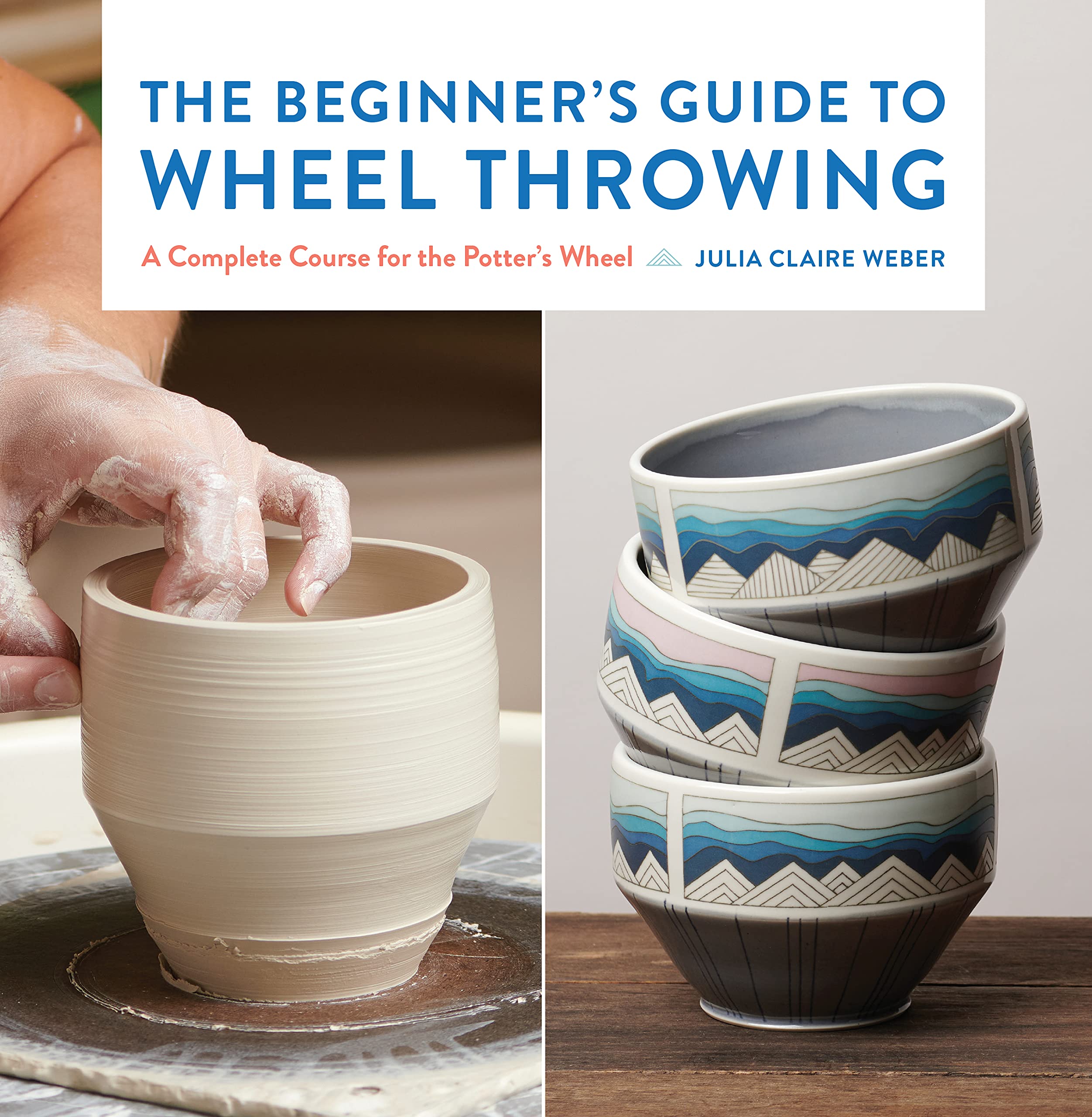 |
Artist and instructor Julia Claire Weber helps you by starting at the beginning of the process with a tour through a typical ceramics studio, discussing the best clays for throwing, as well as a variety of centering methods. You'll also find starter projects like cups, bowls, and plates to hone your skills.
Also tutorials on trimming and handles. Plus a bonus decal workshop, unlocking the potential of image transfer. |
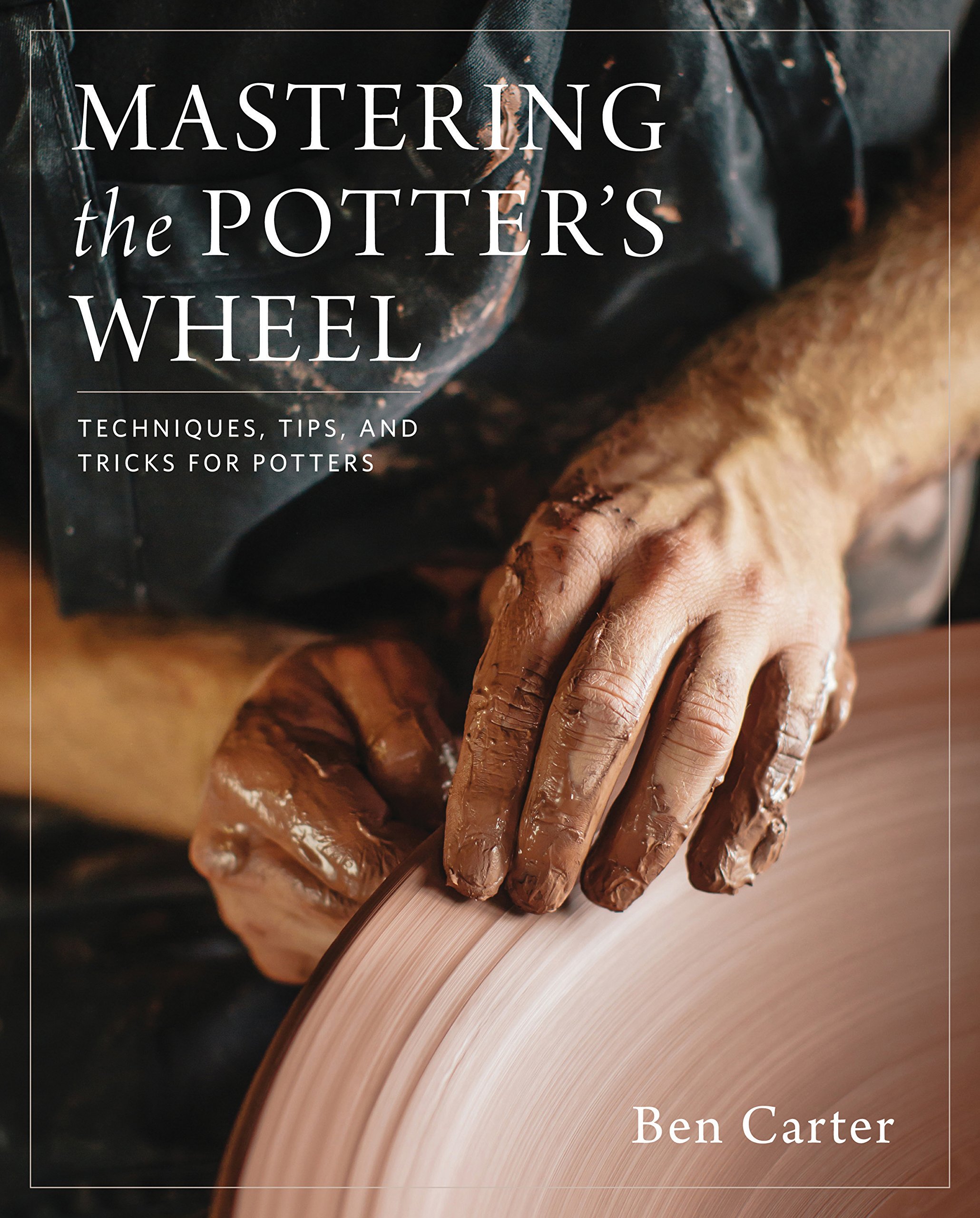
Mastering The Potter's Wheel
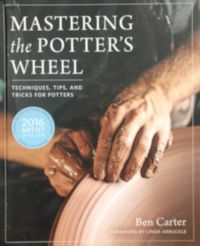 |
Ben Carter takes your skills and your work to the next level. Start with an introduction to centering on the wheel to create basic forms. Then move up to large objects like pitchers and platters to altering, darting, and paddling for a wide range of possibilities. Inspiration abounds within this book! |
Handbuilding
Ceramic Projects: Forming Techniques
 |
PB2108 • $21.98
Anderson Turner goes beyond simple cylinder and slab construction; these projects get into combinations of techniques-adding textures, cutting darts, extruding forms, faceting, assembling multiple parts, and more. Techniques that will make your work stand out. For the intermediate potter looking for the next challenge and the advanced clay artist seeking inspiration, these projects run the gamut of possibilities.
|
From a Slab of Clay
 |
PB2133 • $24.99
Working with clay slabs offers more opportunities than any other forming process. From small dishes and plates to architectural installments, slabs can be used to create any form, any size. When Daryl E. Baird took notice of all the work being done with this technique, he decided to explore it in depth then open the doors for others to enjoy. From setting up a proper working space to selecting the right tools and equipment - including complete instructions for building your own slab roller - Daryl wants to assure your success.
|
The Extruder Book
 |
PB2162 • $34.98
If you have an extruder and aren't sure what to do with it, Daryl Baird's comprehensive book updates his best-selling first edition. Daryl describes what's on the market today from major manufacturers, but he also includes plans on how to make your own extruder from parts you can gather at a local home center. But the essence of an extruder is the die and here is where Daryl showcases his expertise. From altering stock dies to creating complex multi-part dies, you'll find instructions for making unique dies unlike any you can buy on the market.
|
Handbuilding Techniques
 |
PB2166 • $34.98
Bill Jones helps you discover how to make challenging pots from coils, create plates and platters with a twist, design and use complex templates, and construct functional pieces from both soft and leather-hard slabs. Illustrated with hundreds of step-by-step images, this gives you all the how-to information you need to explore new methods and expand your skills. Written for intermediate to advanced potters, this book promises to move you out of your comfort zone into a world of inspired creativity.
|
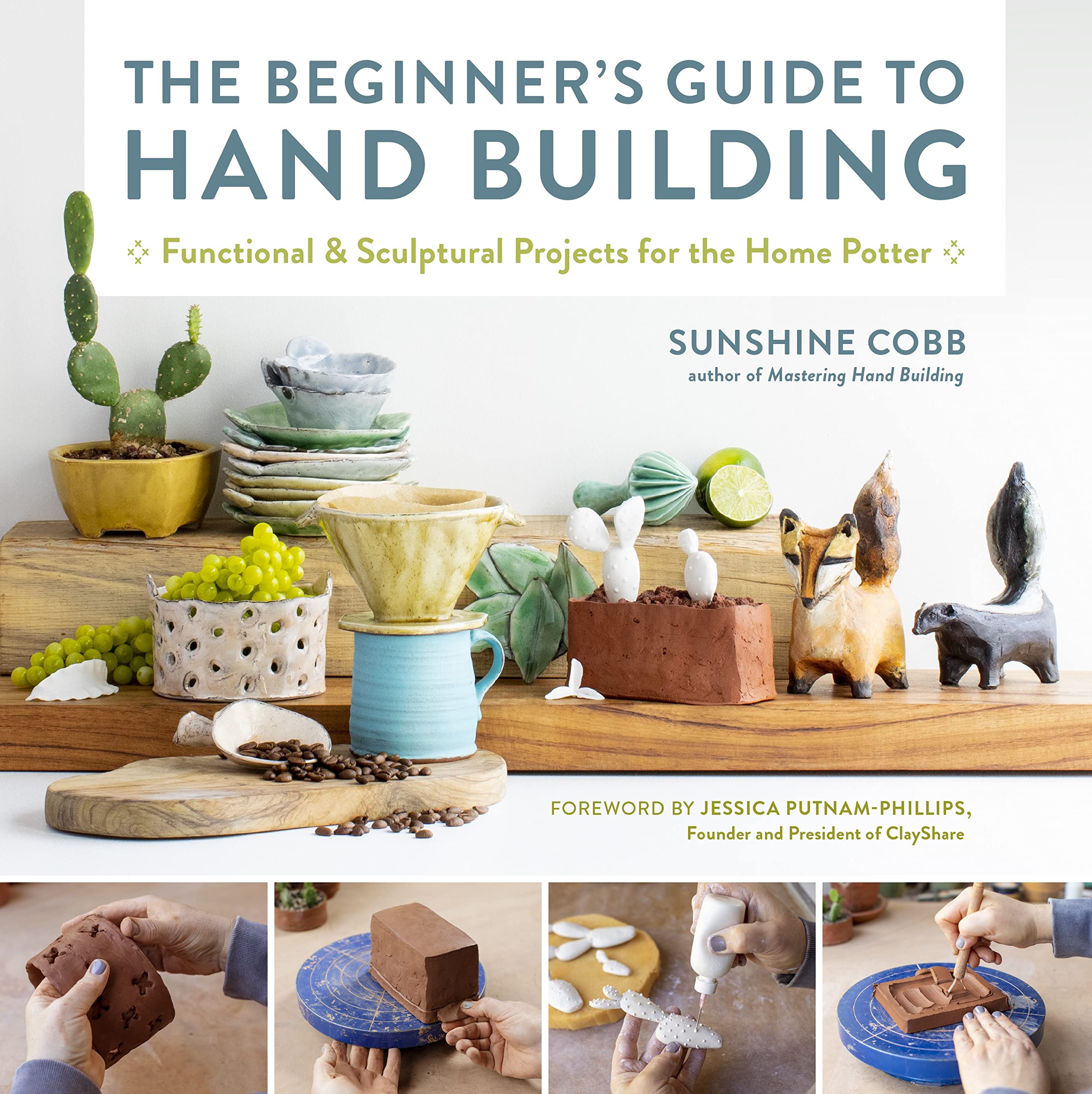
The Beginner's Guide To Hand Building
 |
PB2225 • $24.99
Sunshine Cobb's years of making and teaching are evident in these projects. She helps you turn mistakes into another avenue to be creative. Even the smallest workspaces will do to practice the necessary fundementals of working with clay as well as keeping your body and mind in top shape. Sculptural and functional item projects take you through the range of skills along with inspiration from the gallery photos.
|
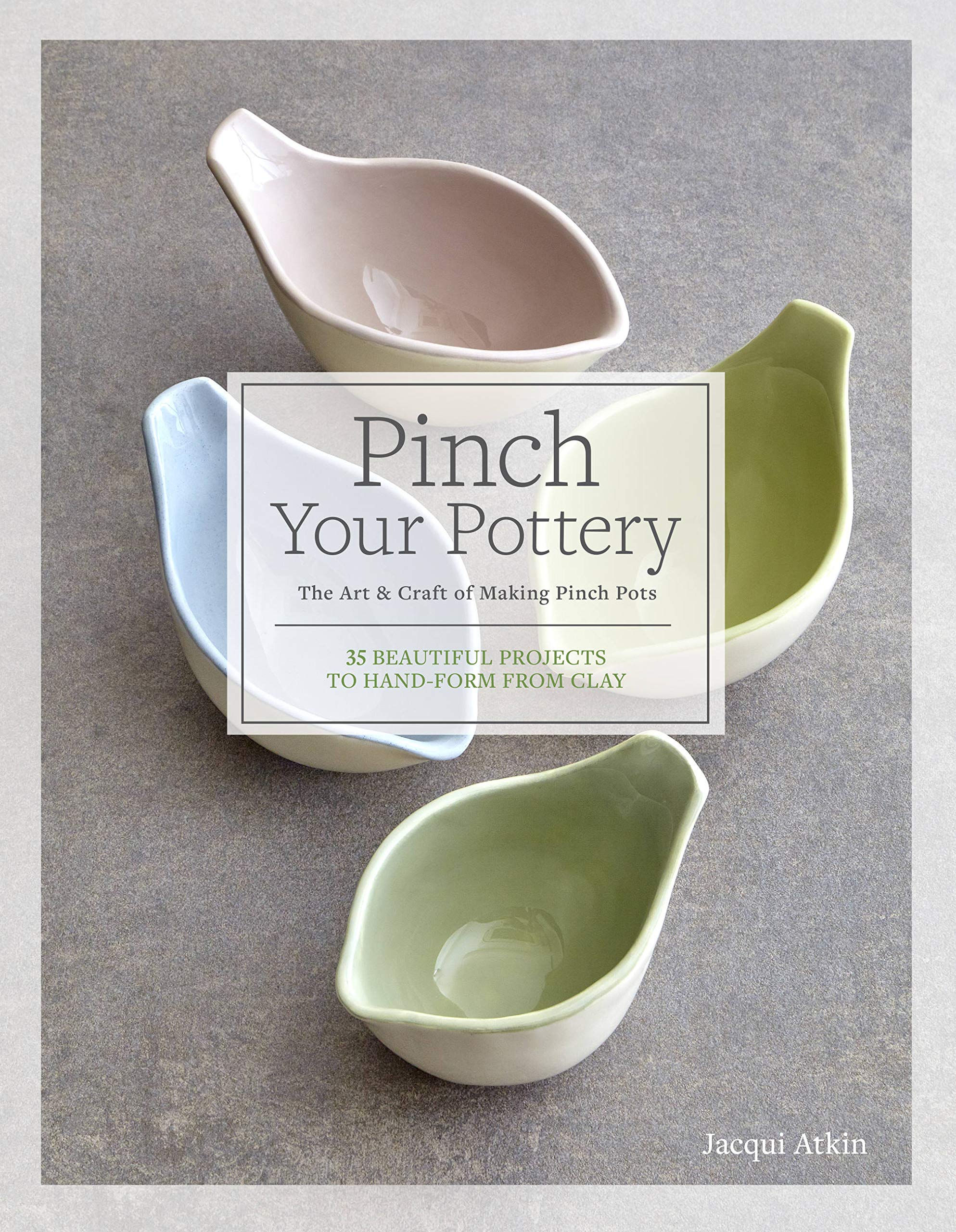
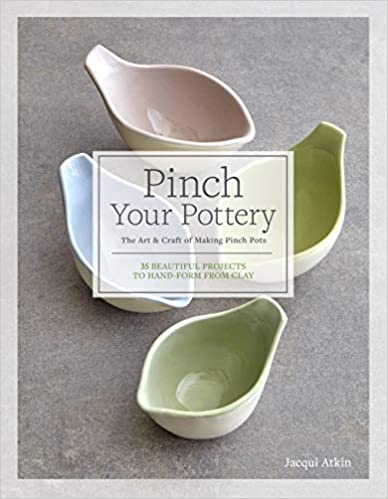
Pinch Your Pottey
 |
PB2217 • $26.99
Jacqui Atkin, a widely respected ceramics teacher and author, explains in detail the myriad of forms that can be made using the minimum of tools with plenty of options for decoration and glazing techniques. From whimsical to useful, these projects are beautifully illustrated and designed to be easily accessible for all skill levels.
|
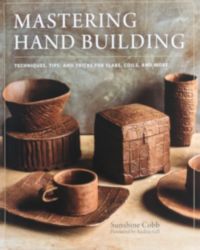
Mastering Hand Building
 |
PB2209 • $32.00
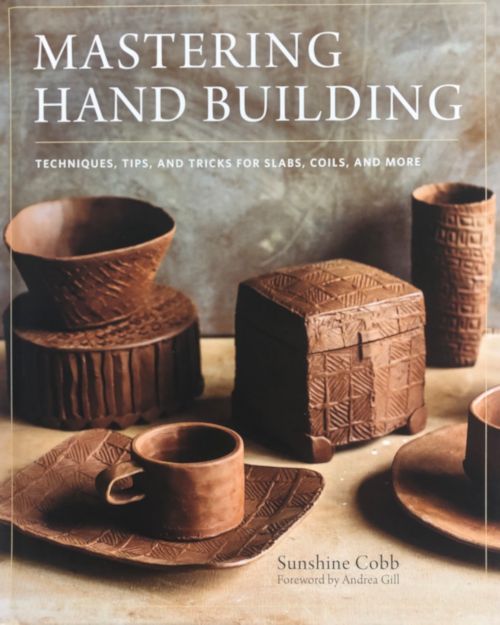
Sunshine Cobb pushes the reader to try more advanced construction as well as decorative techniques. She shares her years of experience and a joyful narrative while showing you a wide range of projects from a coiled box to the soft slab casserole dish. Includes page after page of inspiration from today's working artists.
|
Firing
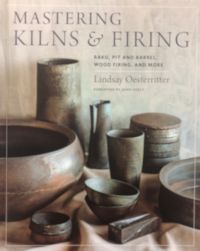
Mastering Kilns & Firing
 |
PB2205 • $35.00
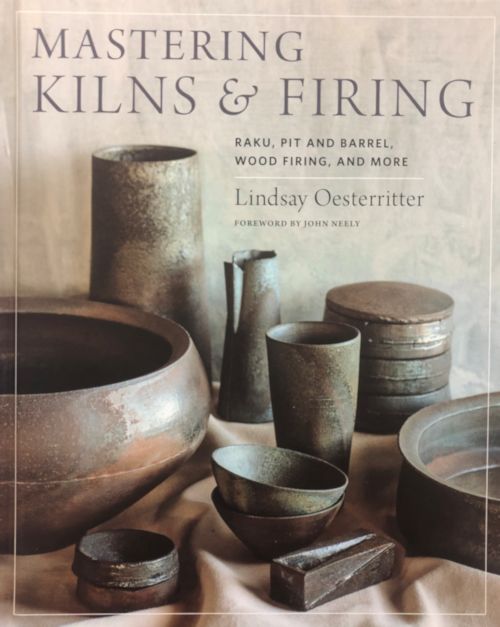
Lindsay Oesterritter moves beyond the electric kiln to Raku, Pit & Barrel, Wood Firing and more. She also shares those all-important health and safety concerns. This is an essential book for understanding and experimenting with the unique surfaces only available using combustible kilns and firing methods.
|
The Kiln Book: Materials, Specs & Construction
 |
PB088 • $34.98
Fredrick L. Olsen's (3rd Edition) practical guide to the construction, maintenance and repair of kilns is now bigger and more comprehensive than ever. This bible for kiln builders now includes chapters on multi-directional and specialty kilns, and suggests what the future may hold for kilns. He covers the principles of efficient design, building methods, refractory, materials, bricklaying procedures and instructions, fuels and firing systems, arches, flues, electric elements and general safety. Plans and instructions for firebox systems; coal, oil-drip and forced-oil burners; butane, propane and natural gas burners; and installation of pressure regulators and safety shutoff controls are included.
|
Saggar Firing in an Electric Kiln
 |
PB2219 • $29.99
If you have an electric kiln and enjoy alternative firing, this is the guide for you. Jolanda van de Grint will show you how to obtain the saggar effects without damaging your kiln. You will learn how to make the saggar, the use of terra sigillata, firing the kiln, and more. This resource helps you extend your work with the colors and freedom of alternative firing.
|
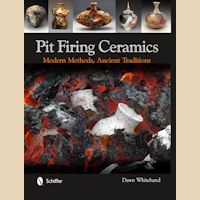
Pit Firing Ceramics
 |
PB2160 • $29.99
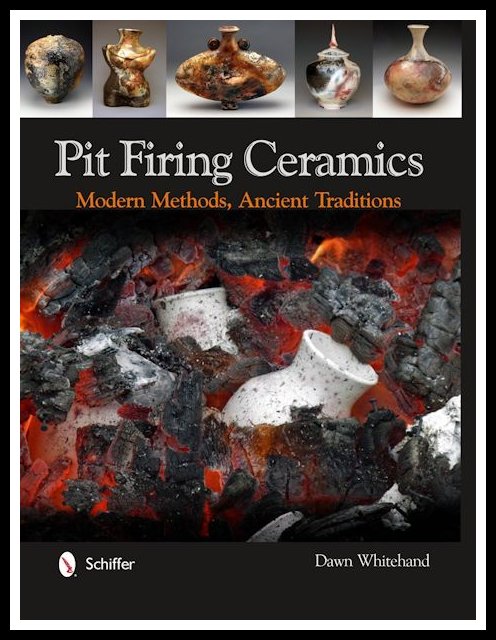
When digging for clues about an ancient society's culture, nothing is more valuable to an archaeologist than ceramic remnants. In Pit Firing Ceramics: Modern Methods, Ancient Traditions, Dawn Whitehand explains why. Her text is the first to comprehensively explore the complex nature of pit firing, based on historical evidence, and the artistic perspectives of contemporary ceramicists. The book contains detailed photographs of the process, and a glossary for those who wish to further explore pit firing and ceramics.
|
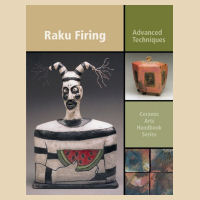
Raku Firing Advanced Techniques
 |
PB2116 • $21.98
Bill Jones created this updated and revised Ceramic Arts Handbook edition of Advanced Raku Techniques which contains information on forming, glazes and glazing, kiln construction and firing, as well as inspirational stories from some of the most influential raku artists working today. Take a look at raku-fired slabs; portable gas, fiber & production kilns; large platters; and Valdez flashfiring, and so muc more to expand your skills and knowledge.
|
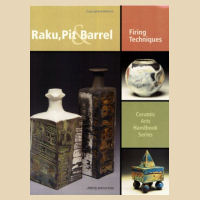
Raku Pit & Barrel Firing
 |
PB2031 • $21.98
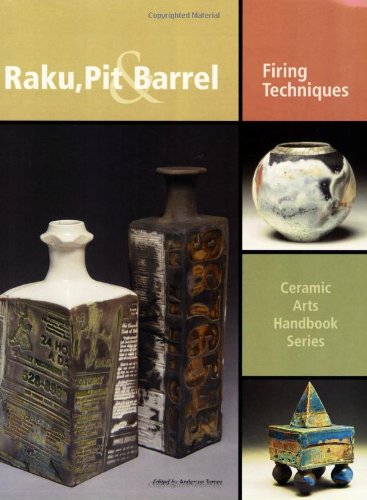
Anderson Turner explains how raku, pit and barrel firing are three of the most popular firing techniques in ceramics. Accessible to anyone involved in this expressive medium, the unifying theme of these three techniques is the ability to work directly with the fire to achieve both quick and unique results not available with more conventional firing techniques.
|
Alternative Kilns & Firing Techniques
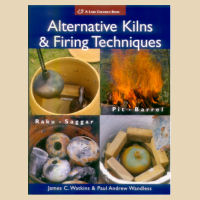 |
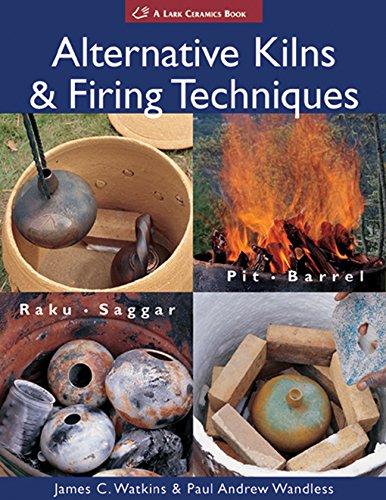
Ceramicists searching for new ways to fire their creations now have a wealth of options. James Watkins and Paul Wandless, along with a group of distinguished artisans, demonstrate in detail how to build low-cost, low-tech, yet high-quality kilns. The plans range from an easy, affordable, and versatile Raku Kiln to a unique wood-fueled Downdraft Stovepipe Barrel one. These clever devices make it possible to produce rich surface effects from alternative reduction firing techniques. |
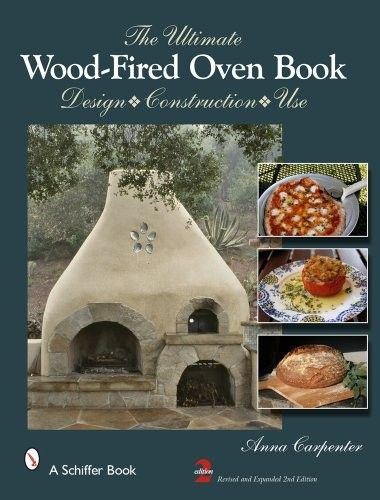
The Ultimate Wood-Fired Oven Book
 |
PB2142 • $29.99 Design, Construction & Use
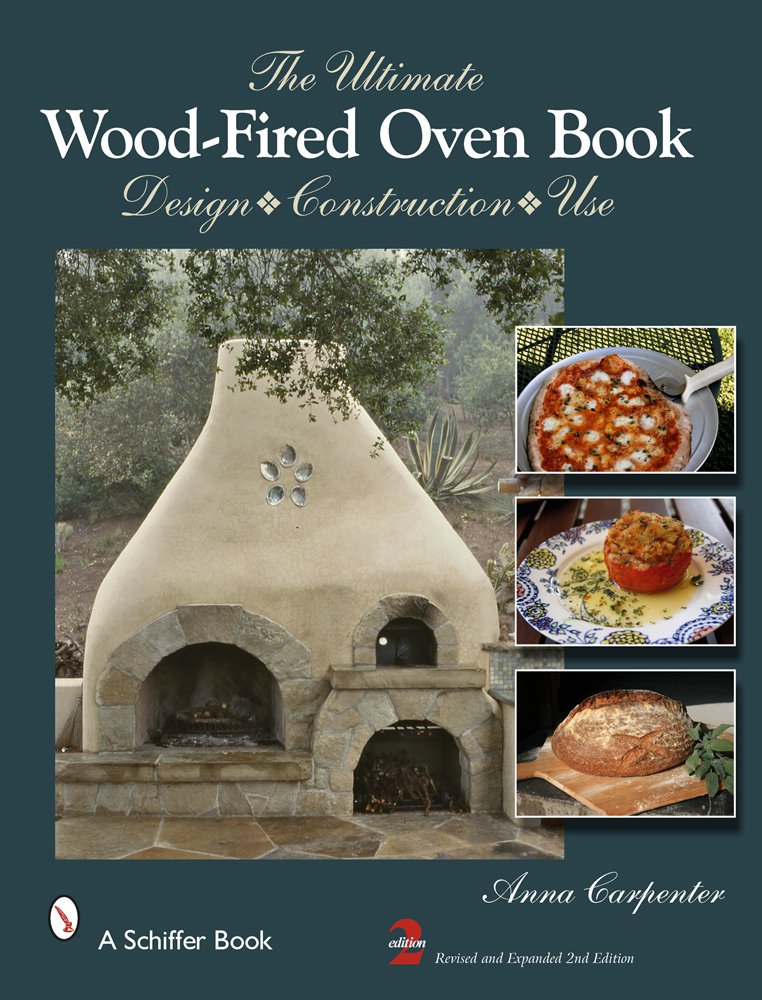
Join Anna Carpenter as she shares memories of growing up in Italy, where great meals were enjoyed around the fire with family and friends. Wood-fired ovens are enormously popular today because of the unique taste only real wood fire can instill. This book equips you with information to successfully choose install and use your own woodfired oven. Great tips concerning different kinds of insulation, tools, cooking techniques, and recipes. Step by step guidelines and plans for building are included. Great photos will inspire you to design the perfect setting for your oven, suited to your needs and budget.
|
Glazes
The Complete Guide to High-Fire Glazes
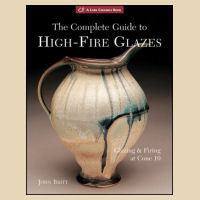 |
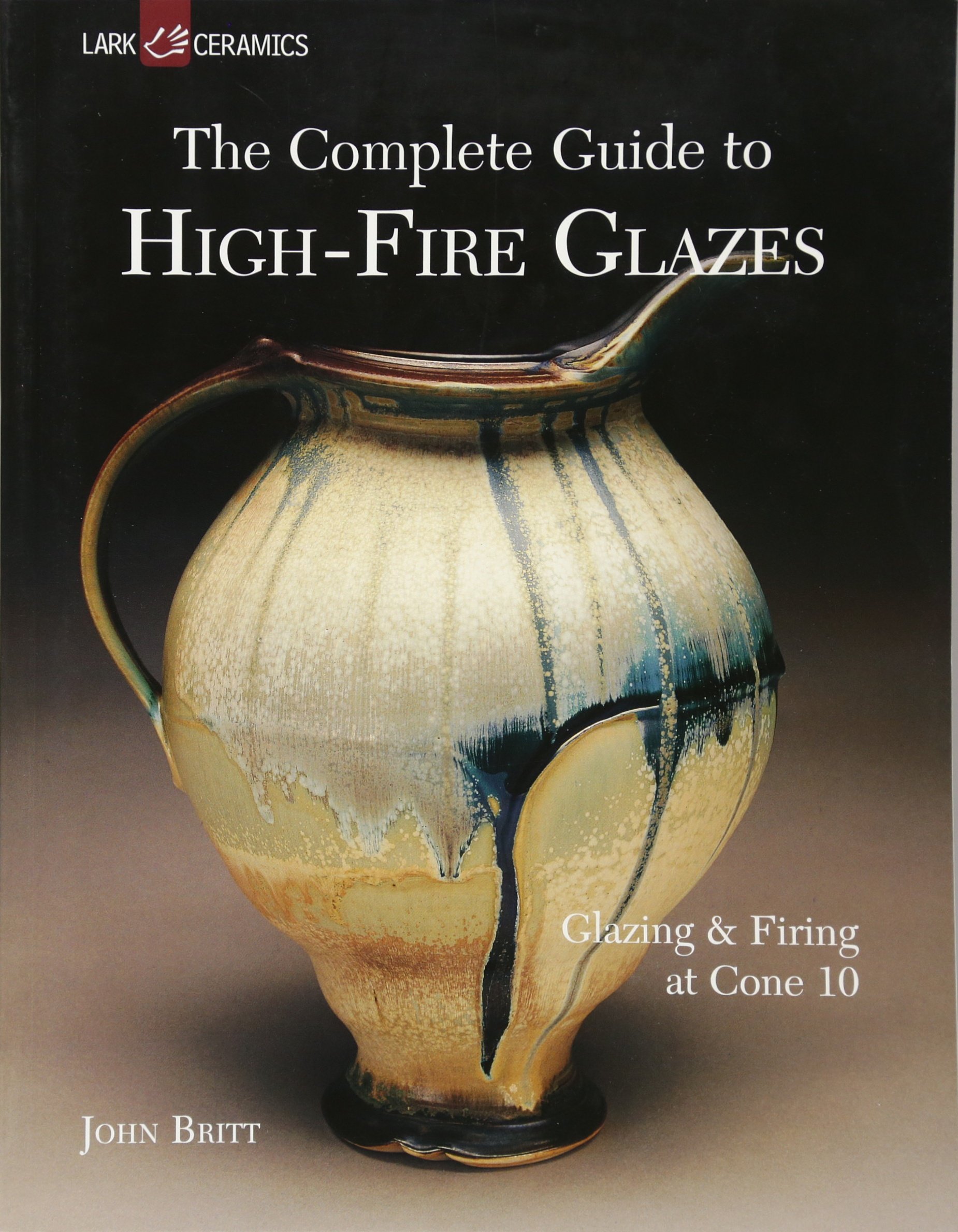
With hundreds of recipes and a thorough examination of glaze materials, chemistryy and tools, this reference will prove a boon to ceramists who want to master this complex and versatile aspect of their art. A wealth of information on various types of glazes, including copper, iron, shino, salt/soda, crystalline, and more. An exhaustive index of subjects and a separate index of glaze recipes will help you find what you need, quickly and easily. |
Glazes & Glazing: Finishing Techniques
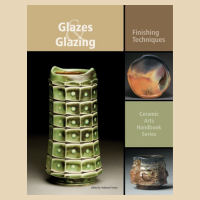 |
PB2069 • $21.98
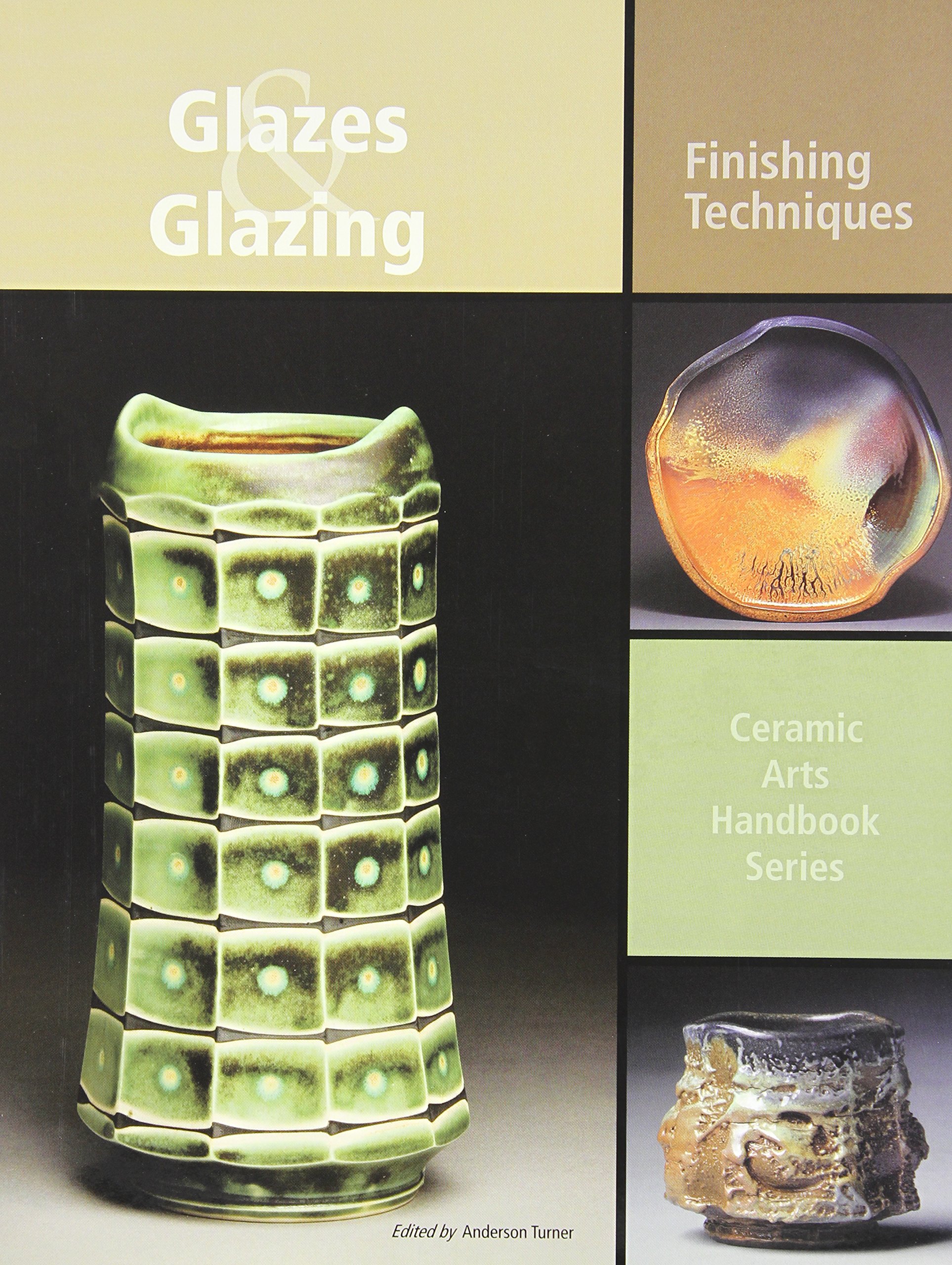
Anderson Turner covers many aspects of glazing. You'll discover information on glaze formulation; applications such as dipping, pouring, and spraying; firing variations; characteristics of materials; testing; and even crystalline and ash glazing along with more than 100 successful recipes. Explore a wide range of techniques with a variety of artists.
|
Colour in Glazes
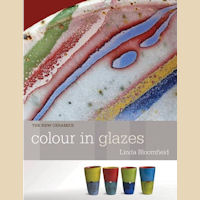 |
PB2128 • $34.98
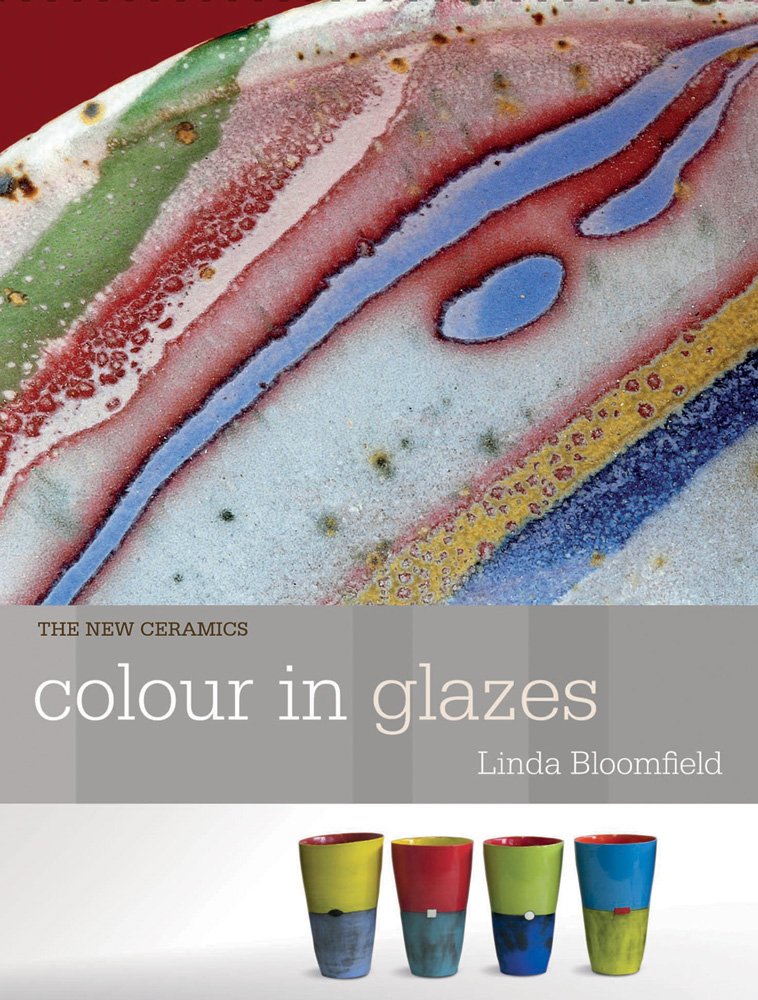
Linda Bloomfield created this complete guide to achieving a fantastic spectrum of colorful glazes for the studio potter. Take a look at the full range of materials and options for creating new colors in glazes. Packed full of glaze recipes, the book is illustrated with a wealth of finished work as well as an extensive collection of sample test tiles to show the variety of colors possible. Types of base glazes and the fluxes used to make them are discussed in relation to color response.
|
The Complete Guide to Mid-Range Glazes
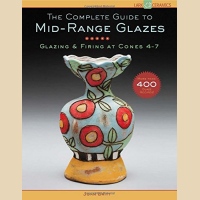 |
PB2157 • $32.99
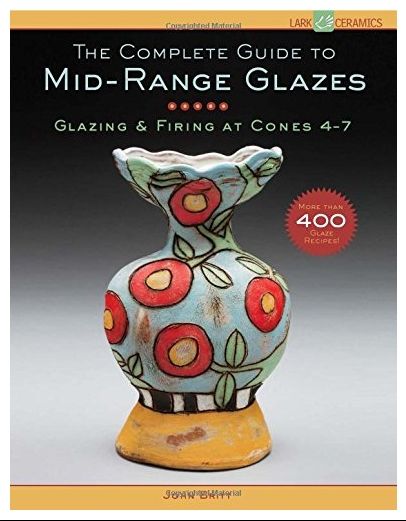
This fully illustrated reference takes the guesswork out of mid-range glazes, which fire at cones 4-7. It will help ceramists of all skill levels gain a better understanding of glazes and the factors behind them. By comparing and contrasting recipes within a type and learning the way glazes work, you'll see how potters create variations within a type. This will enable you to create an infinite number of your own recipes, including application and firing processes. This book includes hundreds of inspirational photos of finished work by contemporary ceramic artists.
|
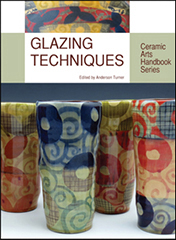
Glazing Techniques
 |
PB2165 • $34.98
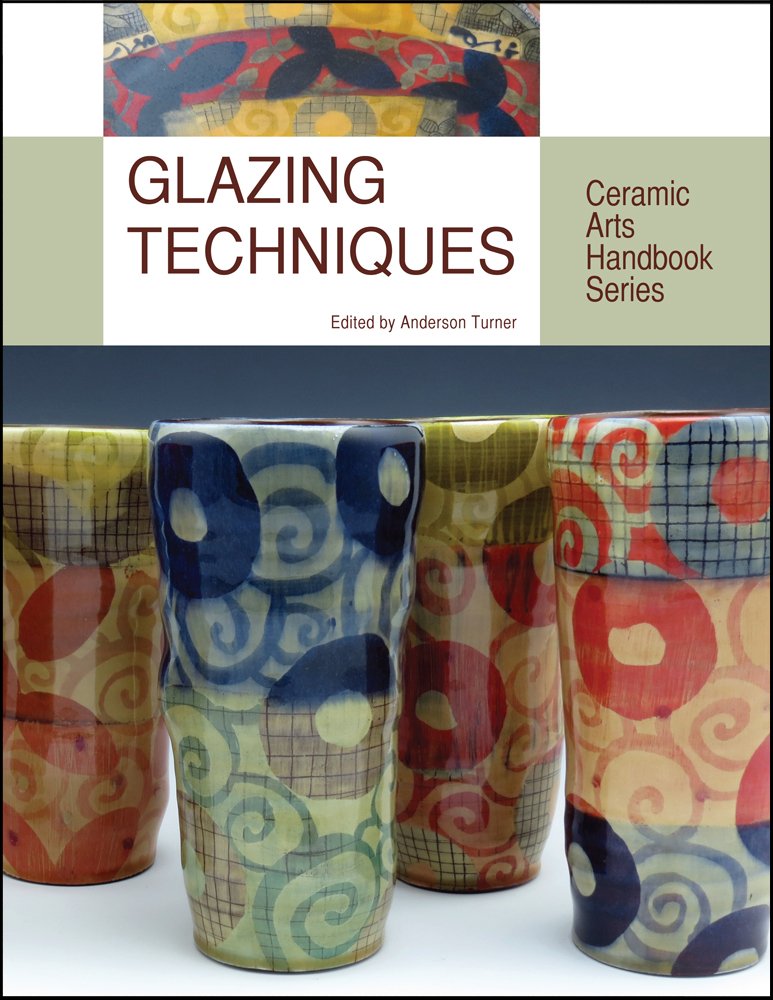
Anderson Turner shows how dozens of talented artists approach glazing using a variety of techniques, materials and firing ranges to achieve stunning surfaces that are sure to inspire your work. You'll find step-by-step details on materials, preparing your work, resists, layering, lusters, underglazes, majolica, china paint, stencils, spraying, pouring, and more.
|
High Fire Glazes
 |
PB2176 • $34.98
Whether you fire in oxidation, reduction, or neutral - with gas, electricity, or wood - Sherman Hall delivers an enormous array of surface possibilities. The recipes in this book have been used and tested by more professional artists, over a longer period of time, than those at other temperature ranges. Professionals and students alike will be able to use this book with success on a shallow learning curve. High heat does not mean high difficulty. If anything, it gets easier and more exciting!
|
Amazing Glaze
 |
PB2207 • $30.00
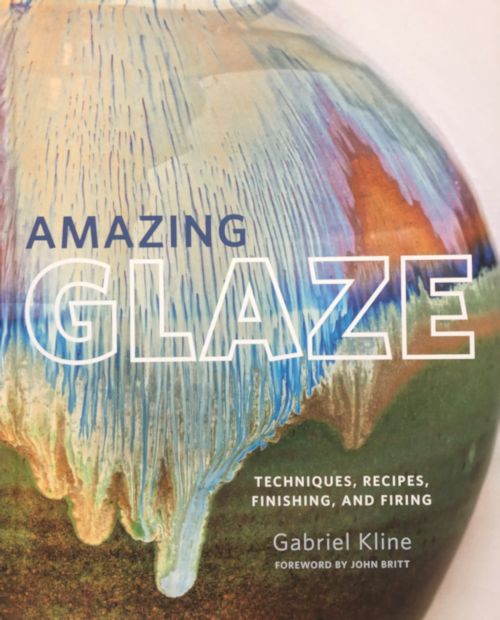
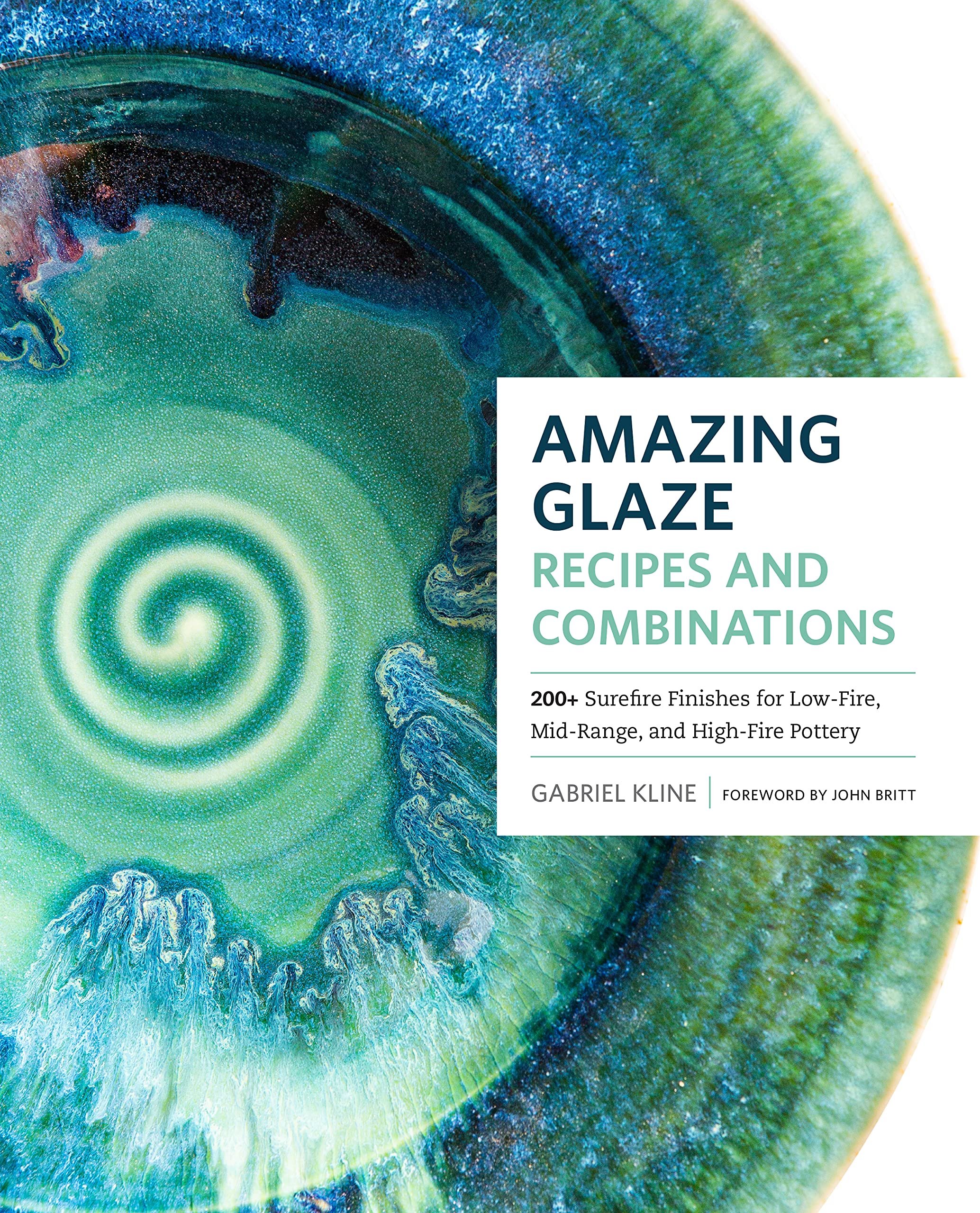
Join Gabriel Kline on a journey that makes glazing less intimidating and more fun using sure-fire recipes and inspiring work from top ceramic artists. Begin in the "glaze kitchen" then move onto the core of getting the glaze right every time. Learn about layering, working with resists, and combining techniques. This amazing book is highly recommended by artists and professionals.
|
Amazing Glaze: Recipes & Combinations
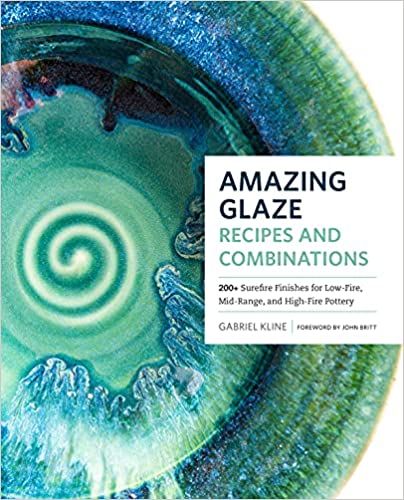 |
Gabriel Kline provides recipes and combinations for low- up to high-fire potters. He covers the keys to success with application of glaze and the right temperature to use. His well-tested recipes draw on his decades of experience. Includes topics like majolica and raku firing to round out your glaze and firing options. |
Special Effects Glazes
 |
PB2222 • $36.98
Linda Bloomfield shows you a whole world of special effects glazes are explored, including crackle glazes, crystal glazes, crater glazes, lichen glazes and drippy glazes. Discover how each glaze ingredient contributes to the end result, from the volcanic effects of silicon carbide, to the mottling and streaking powers of light magnesium carbonate. This book is essential for any ceramic artist interested in creating eye-catching glazes or wanting to develop their knowledge of glaze-making.
|
Moldmaking & Casting
The Essential Guide to Moldmaking & Slip Casting
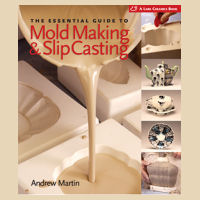 |
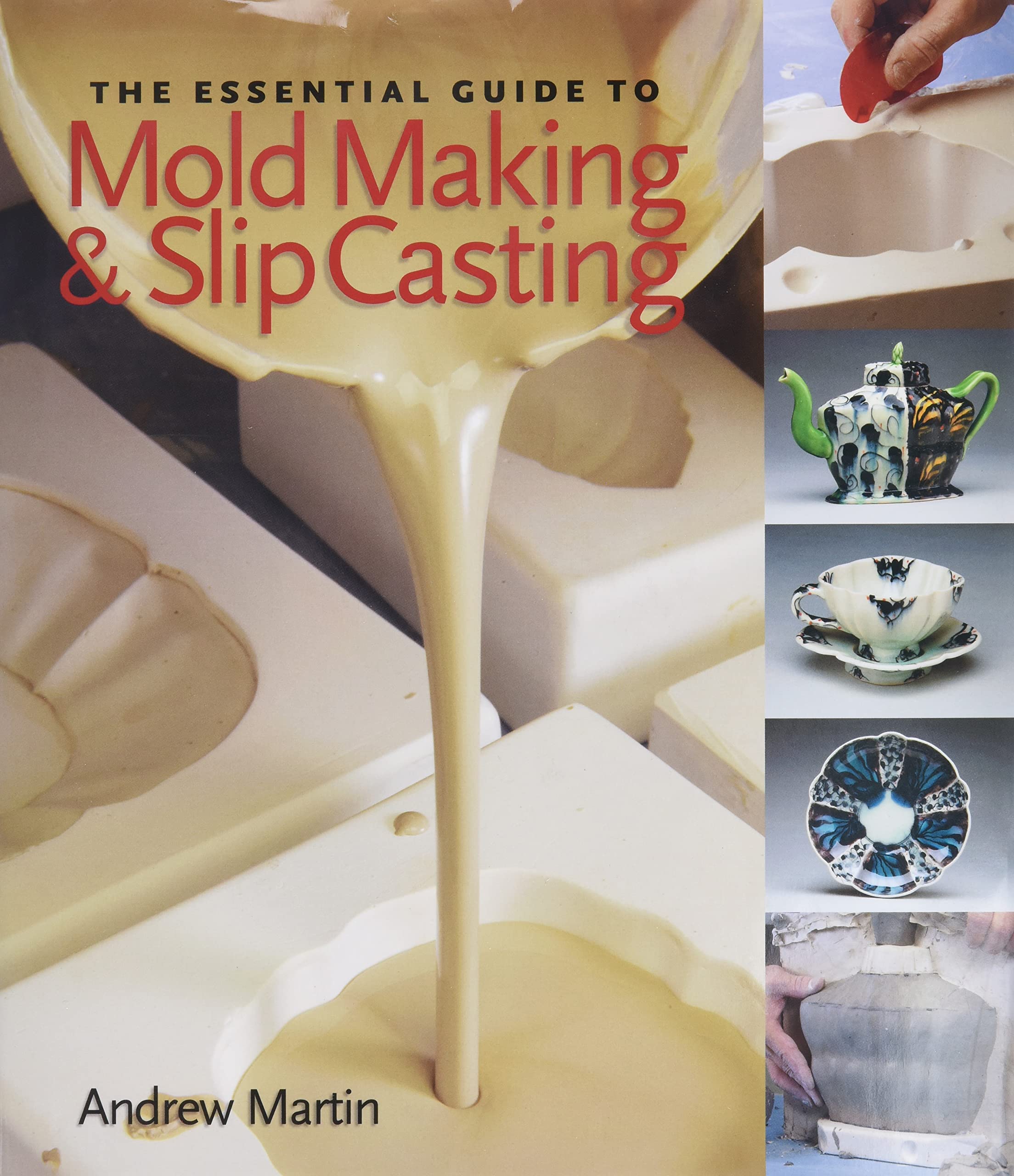
Moldmaking is an invaluable skill for potters to create identical multiples of their work. This new edition of Andrew Martin's classic offers a thorough introduction addresses materials and tools, and presents Martin's simple, unique template method for making clay prototypes. The book overflows with hun dreds of photos, key techniques, projects, master artist profiles, and troubleshooting tips. An extensive overview covers slip formulation, while offering highly desired slip recipes for low-, mid-, and high-fire clay bodies. This should be the standard reference in every ceramist's library. |
Sculpture
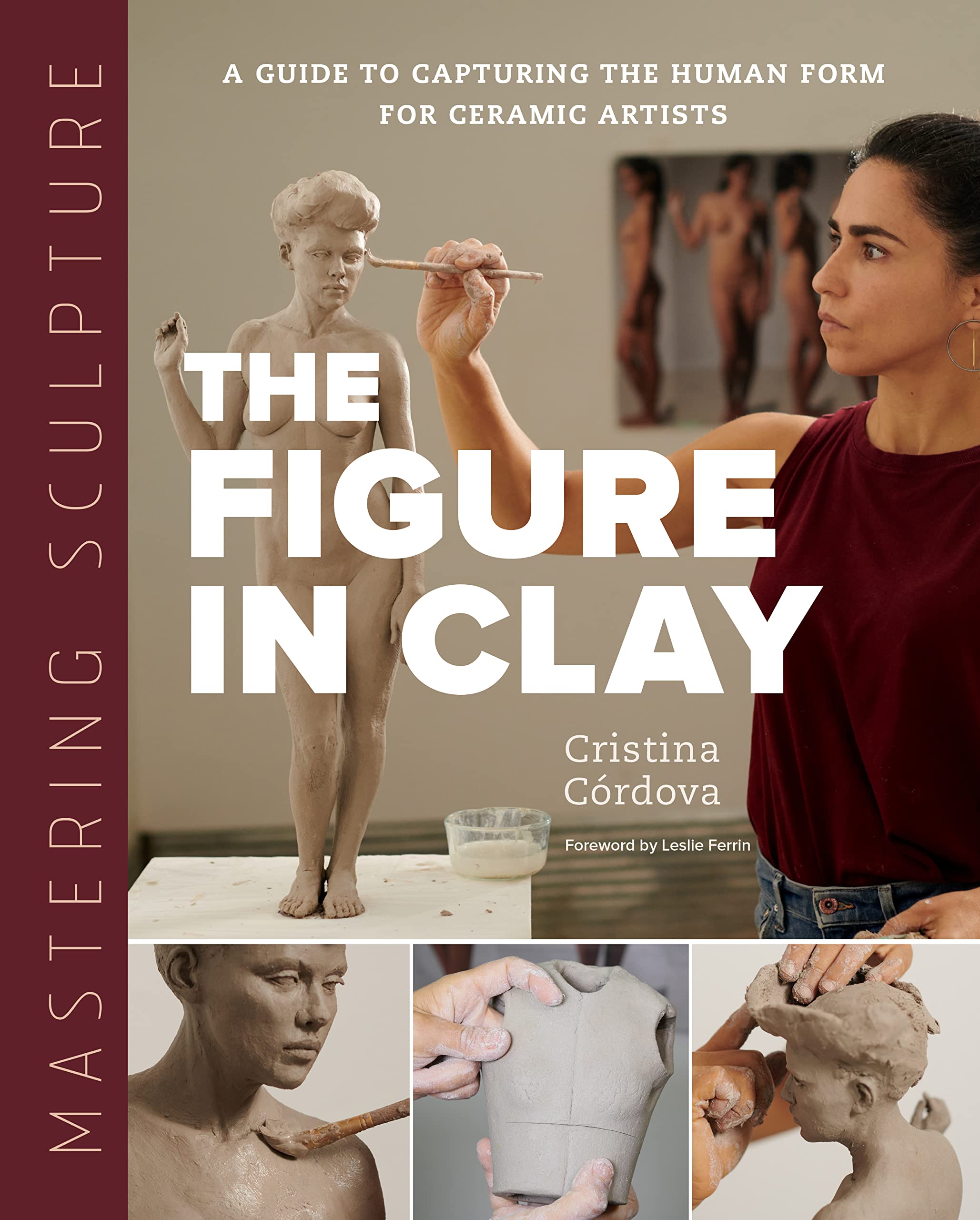
Mastering Sculpture: The Figure in Clay
 |
PB2223 • $35.00
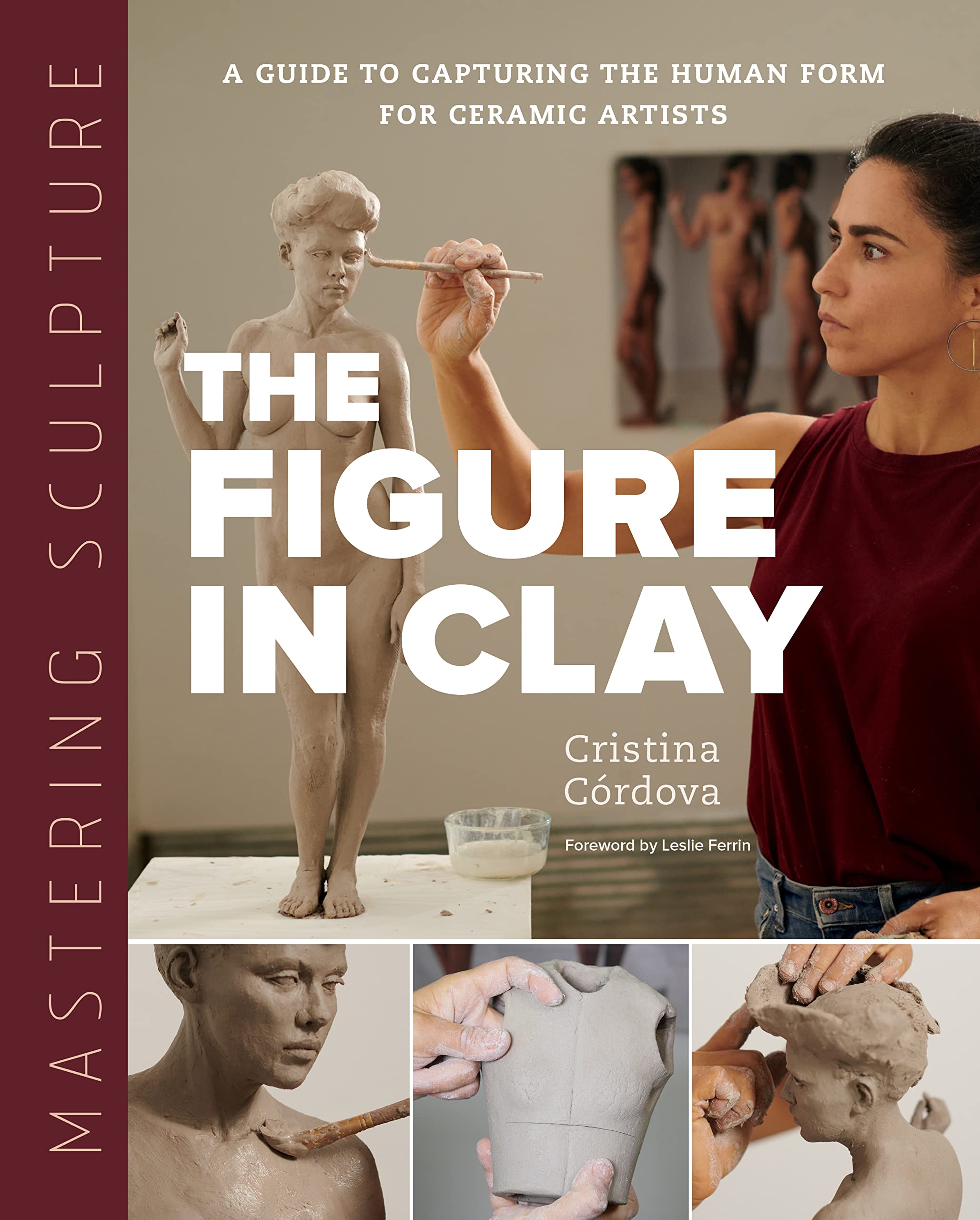
Cristina Córdova shows you how to use an armature for hollow forms ready to fire in a kiln. Patterns are provided to work in any size/scale you want. Photos cover the contruction and articulation of ALL parts of the body. This is a beautiful book with supplementary tips and insight to support the sculpting process and enhance naturalism. A complete set of model reference photos, anotomical illustrations, and gallery work from top artists will guide and inspire you.
|
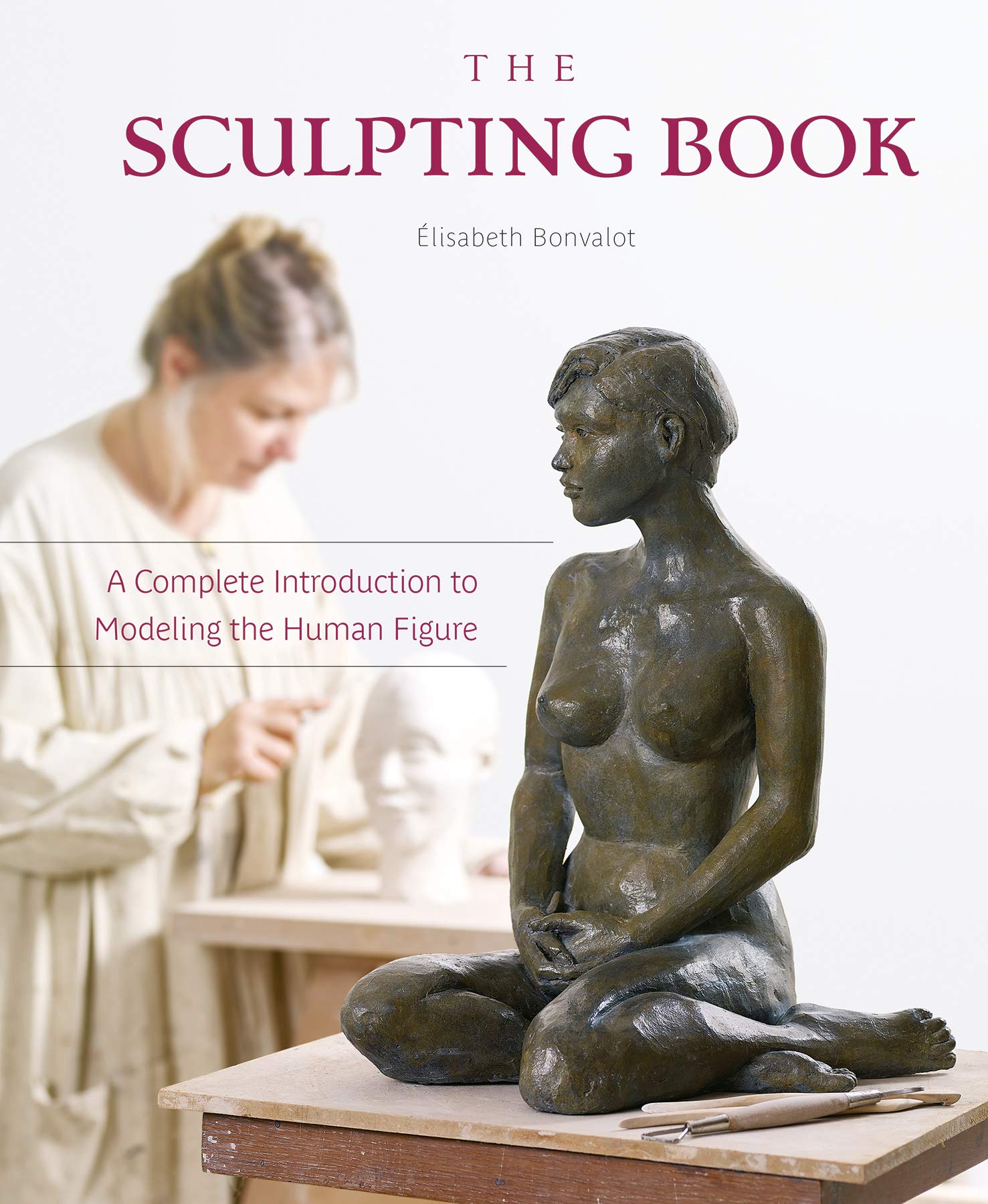
The Sculpting Book
 |
PB2202 • $24.99
Professional sculptor and instructor Élisabeth Bonvalot guides you through the types and properties of clays, materials and tools, four base techniques, roughing out, adding clay, detailing, engobe, firing, and patinas. From the ten lessons, the first five teach the elements of figure sculpting, focusing your attention on heads, faces, hands, feet, and the body. The next five explore skill building as you create a bas-relief portrait, an animal, a standing nude, a bust, and a lifesize figure. This comprehensive approach is perfect for people who love clay and have a can-do attitude, even with limited formal art class experience.
|
Ceramic Sculpture: Making Faces
 |
PB2156 • $24.95
The human face in sculpture can be expressive and revealing, or guarded and mysterious. Ceramic artists often use small facial details to convey the feelings of their subjects. In this illustrated guide, ceramist and author Alex Irvine shows ceramic sculptors how to interpret facial expressions and effectively depict them in their work.
|
Modeling & Sculpting the Human Figure
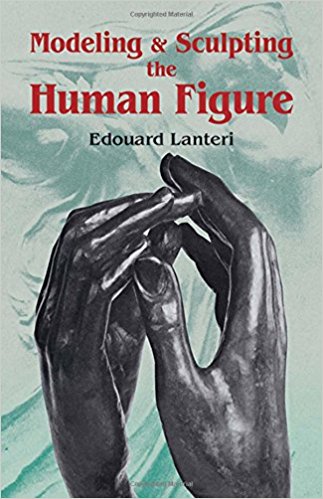 |
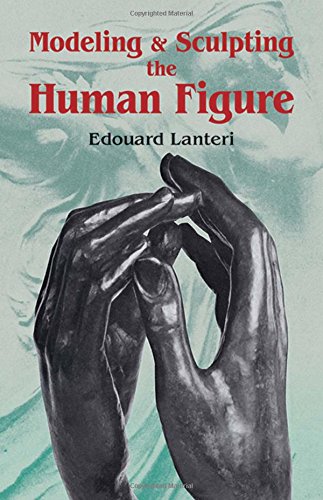
The republication of this highly valuable text by Edouard Lanteri, reknowned teacher, sculptor, and intimate friend of Rodin, shows the serious artist how to bridge the gap between artistic concept and figurative realization. This book is a goldmine of technical information beginning with a detailed study of modeling a head with descriptions of the anatomical features. The second part goes on to sculpting a bust from a live model with advice and directions for working with placement of the model, handling the clay, measurements, and creating realistic hair. In section three, sculpting in relief with drapery and medals. Amazing photographs, drawings and diagrams throughout this comprehensive resource for all sculptors. |
Modelling & Sculpting Animals
 |
The republication of this highly valuable text by Edouard Lanteri, a renowned teacher, sculptor, and intimate friend of Rodin (Rodin called him "my dear master, my dear friend"), makes it possible for serious students to gain the requisite skills needed for figurative sculpture and to bridge the gap between artistic concept and figurative realization. Modelling and Sculpting Animals, together with its companion piece Modelling and Sculpting the Human Figure, is the classic treatise on the techniques of figurative sculpture. A profusion of illustrations - over 200 photographs, drawings, and diagrams - clearly demonstrate every principle and method the author describes. 64 full-page photographic plates, 139 drawings and diagrams. |
Surface Design & Texture
Surface Decoration Techniques
 |
Author Anderson Turner shows a range of techniques for applying, impressing, texturizing, and thoroughly planning the surface decoration of ceramic pots, presented in step-by-step images and accompanying text. From readily accessible tools and techniques to complex layering and combinations, there is something for all skill levels and aesthetic sensibilities. |
Terra Sigillata: Contemporary Techniques
 |
In Terra Sigillata: Contemporary Techniques, Rhonda Willers provides an historical overview, as well as technical information on how to make, mix, and apply terra sigillatas. In addition, she presents contemporary artist profiles and techniques to enrich and encourage your terra sigillata development. This book is loaded with techniques. Twelve Process sections featuring illustrated, step-by-step instruction on making, siphoning, and blending terra sigillatas. In addition, you'll find 33 "Try It Like" sections featuring artist profiles of contemporary ceramic artists explaining how they use and create terra sigillatas for their work. |
The Beginner's Guide to Decorating Pottery
|
Emily Reinhardt gives you an introduction to glazes, patterns, inlay, luster, and dimensional designs. Helpful tutorials on color theory, combining form and function, keeping a sketchbook, and how to apply surface-design techniques to a variety of projects. |
Carve Your Clay
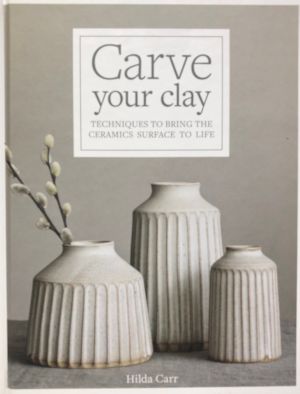 |
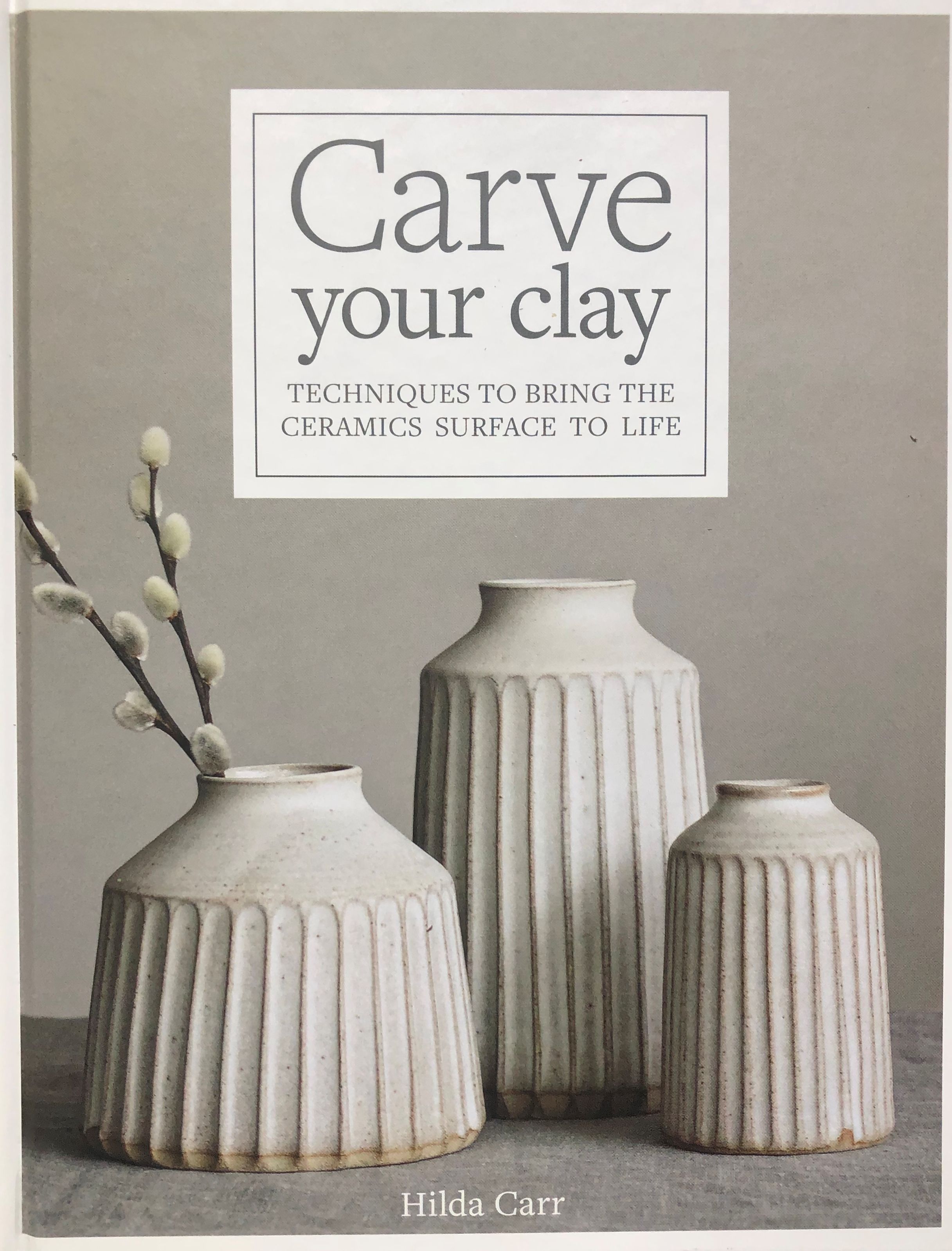
Hilda Carr covers a wide range of decorative carving techniques from incising, combing, inlaying to sgraffito, faceting and fettling. 16 projects created in her signature style using step-by-step photography and easy to follow instructions. Simple guides show how to create form plus glaze and firing information suitable for all skill levels. |
Design & Motifs
Designs & Motifs from India
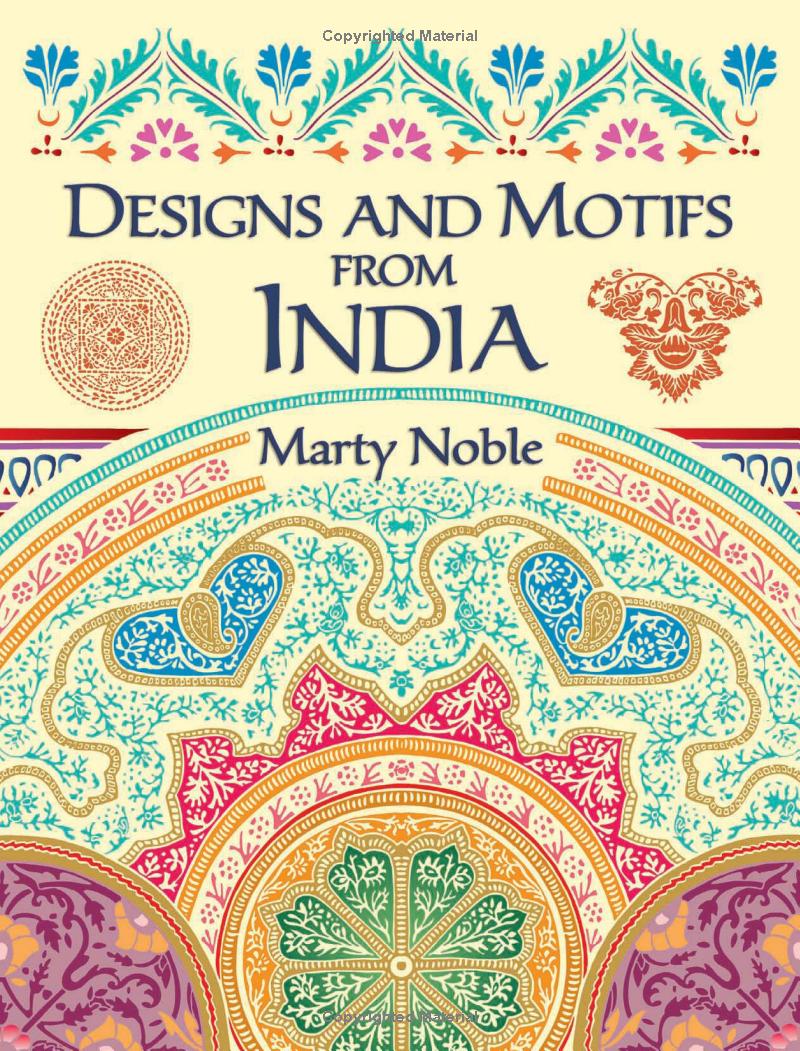 |
Marty Noble gives you a rich treasury of traditional designs, developed by Indian artists over thousands of years. More than 200 black-and-white illustrations have been adapted from ancient pottery, mosaics, and illuminated manuscripts as well as more recently created embroideries and fabrics. See examples of Rangoli art (complex ritual motifs used to decorate courtyards, floors, and walls of Indian houses); details from fresco paintings; stencil designs; patterns from jewelry; tattoos; architectural décor and metalwork; and designs in wood and ivory. Royalty-free motifs are perfect for artistic and design inspiration. |
North American Indian Designs
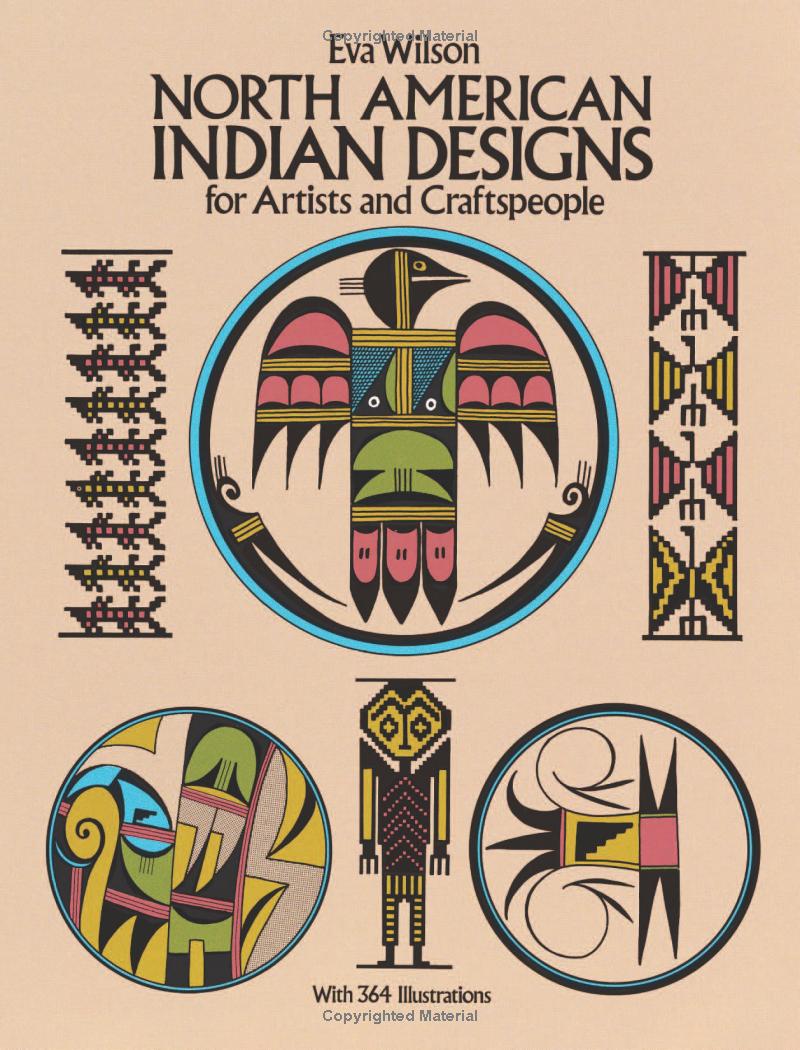 |
Eva Wilson shares more than 360 royalty-free designs, each meticulously rendered from embellishments on Indian blankets, pottery, blankets, clothing, carvings, paintings, metalwork, or other artifacts in various museums and private collections. The illustrations span 2,000 years — from prehistoric pipe bowls carved in stone that date back to 100 B.C., to 20th-century painted pottery designs that are based on traditional motifs.
Notes on the designs give dates, dimensions, present locations of the artifacts and other data, and a bibliography.
|
1300 Real & Fanciful Animals
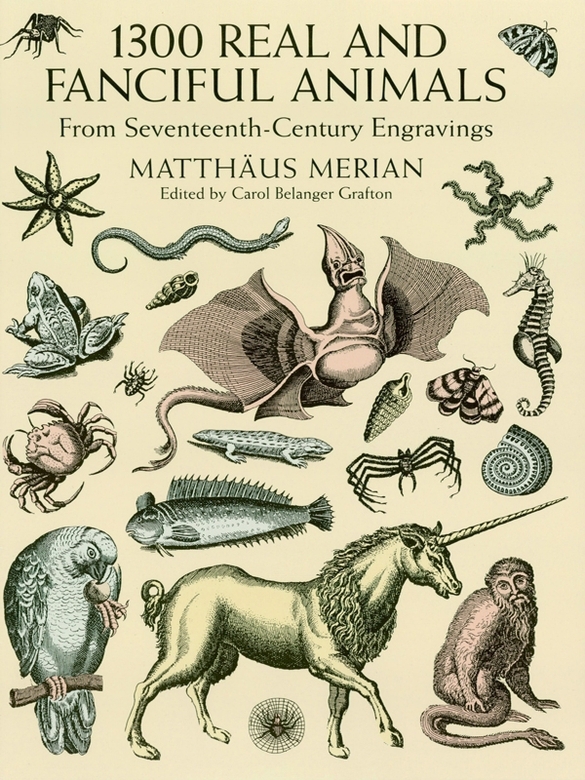 |
Matthäus Merian was a painter who published this remarkable group of illustrations of real scientific specimens and legendary creatures which are meticulously reproduced from an extremely rare eighteenth-century edition. The copyright-free collection includes six major divisions of real animals (quadrupeds, snakes, mollusks & crustaceans, fish, birds, insects) plus a myriad of mythical beasts such as unicorns, dragons, basilisks, harpies, and griffins. Latin captions on most illustrations. |
Floral Designs & Motifs
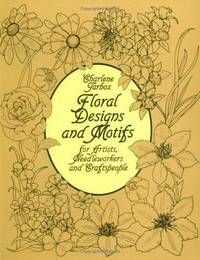 |
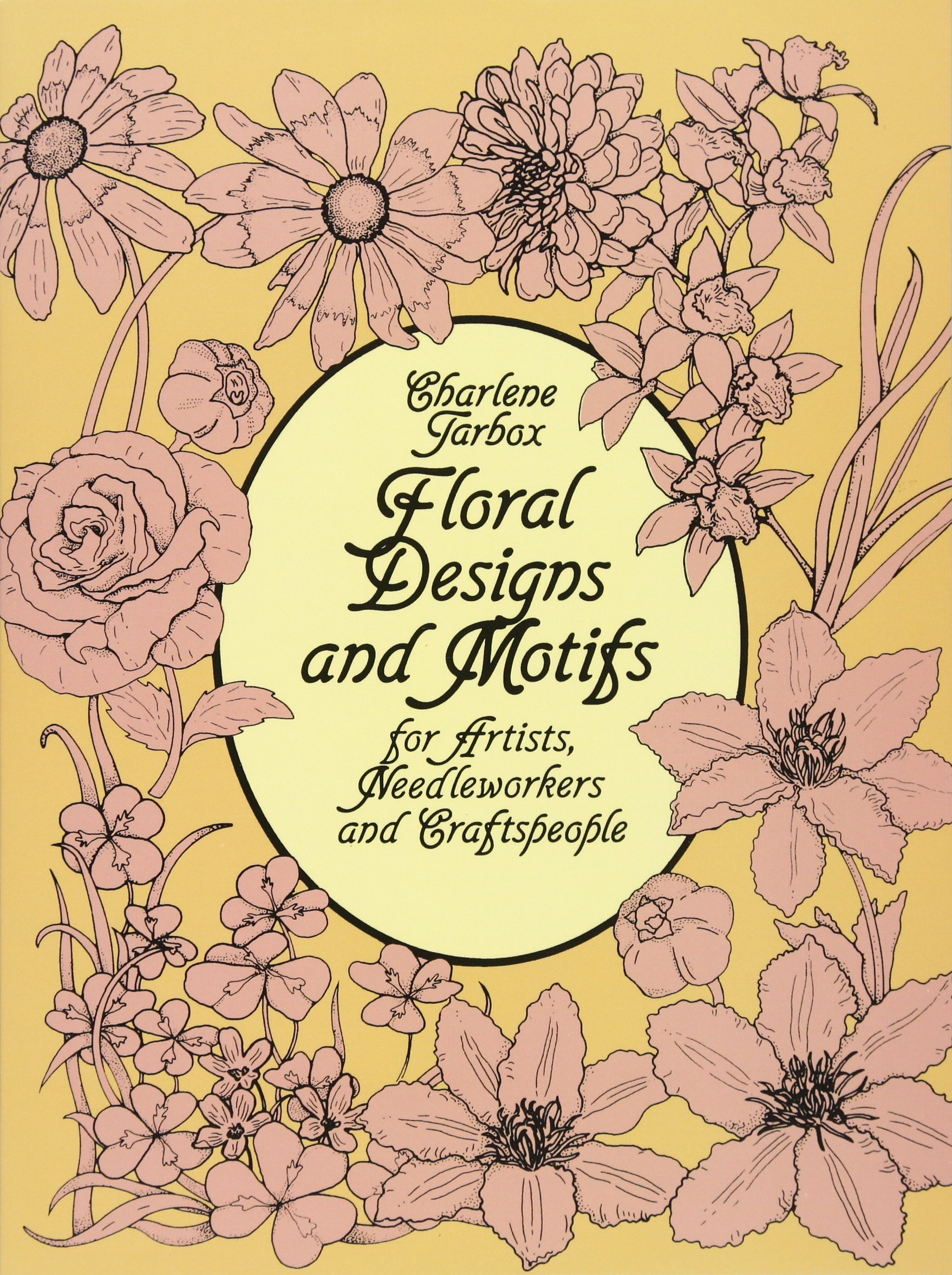
Floral images are some of the most beloved in the decorative arts. This book has a wide range of plants and flowers with their common names plus some well known alternative names.The majority of images are cultivated garden favorites that span each season from the early spring Crocus to the autumnal Chrysanthemum. Even some of the less desirable species known as "weeds" are shown as quite beautiful and deserve recognition as such. These designs may be reproduced up to 10 images may be used in any single project or publication. |
The Artistic Anantomy of Trees
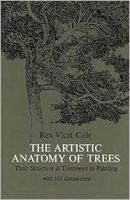 |
For years greatly admired and widely used, this excellent text by one of Britain's foremost art instructors has achieved the status of a classic in its field. The author, also a noted landscape painter, offers complete and accurate instruction in painting and drawing trees to all serious artists — beginner or advanced, amateur or professional. Its extremely comprehensive and detailed coverage has earned this volume a permanent place in the libraries of landscape painters, students, and teachers. |
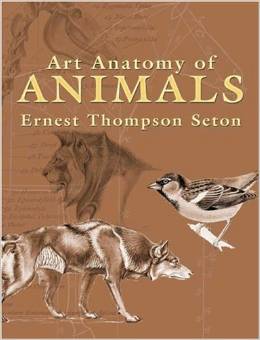
Art Anatomy of Animals
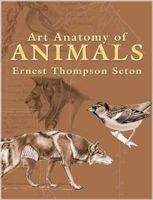 |
The naturalist Ernest Thompson Seton was an accomplished illustrator as well as book writer. Chapters cover a number of domesticated and wild species: the anatomy, size, and proportion of the lion, tiger, leopard, and other members of the cat family; bears as well as the camel, Indian elephant, and the caribou. Additional sections consider the horse in motion, the gallop of a dog, and bird feathering. A valuable reference for students and teachers alike. |
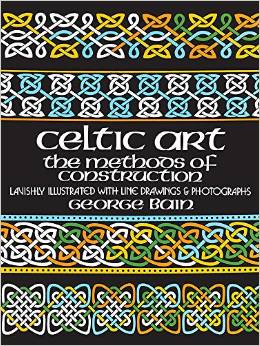
Celtic Art
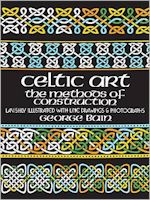 |
Step-by-step procedures carefully introduce the simple rules and methods of Celtic knot work and the well-known designs from the great manuscripts and stone work. Later chapters build up to complex knot work, spiral work, and key pattern designs, with special coverage of alphabets and the stylized use of animals, humans, and plants. Over 225 different patterns with 110 historical and modern artifact designs, six complete alphabets and 25 decorative initials, plus animal and human figures used in the original Celtic works. |
Animals: Mammals, Birds, Fish & Insects
 |
Selected for its visual impact and ease of use, this outstanding collection of wood engravings presents over 1,000 species of animals in extremely lifelike poses. Includes many different versions of familiar mammals, birds, reptiles, amphibians, fish, insects, and other invertebrates such as spiders, crabs, squid, earthworms, and more. Captions provide modern common-name identifications. |
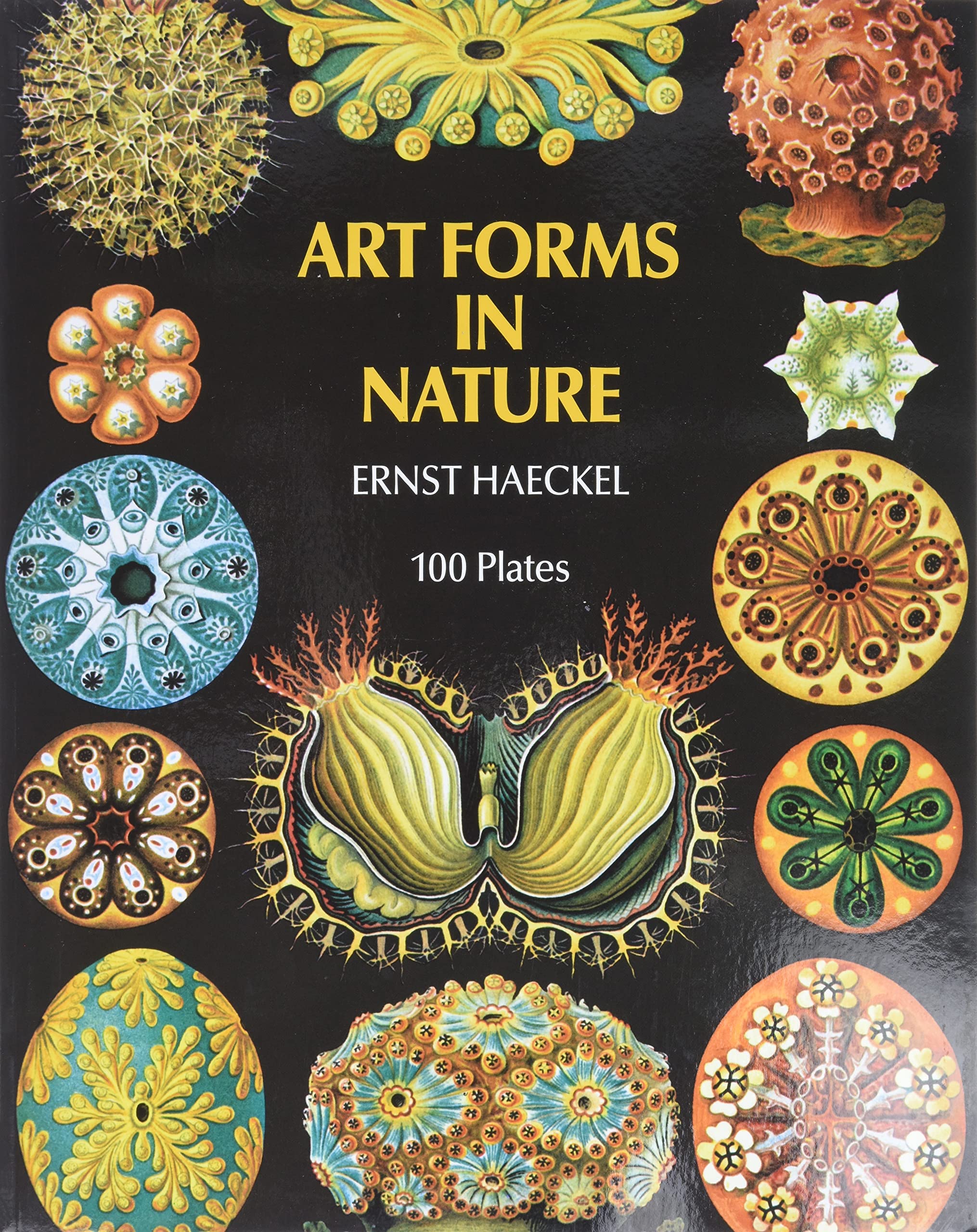
Art Forms in Nature
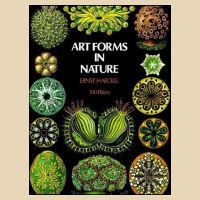 |
Multitude of strangely beautiful natural forms: Radiolaria, Foraminifera, Ciliata, diatoms, calcareous sponges, Siphonophora, star corals, starfishes, Protozoa, flagellates, brown seaweed, jellyfishes, sea-lilies, moss animals, sea-urchins, glass sponges, leptomedusae, horny corals, trunkfishes, true sea slugs, anthomedusae horseshoe crabs, sea-cucumbers, octopuses, bats, orchids, sea wasps, seahorse, a dragonfish, a frogfish, much more. All images black-and-white, but ready for your designs. |
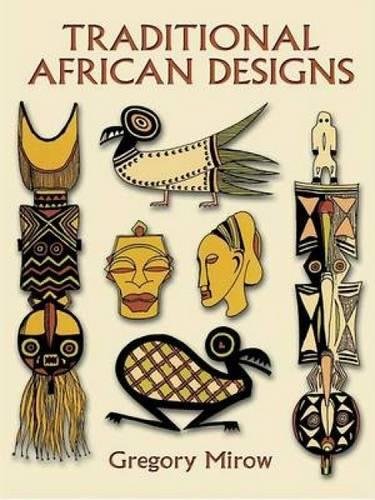
Traditional African Designs
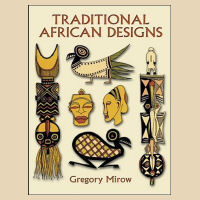 |
Over 200 authentic designs from Dahomey, Sierra Leone, Burkina Faso, Mali, Kenya, Ghana, and other African nations depict such unusual configurations as stylized lions, birds, fish, alligators, totemic figures, abstracts, geometrics and zigzags. Adapted from shields, masks, jewelry, textiles and other sources for copyright-free use.
|
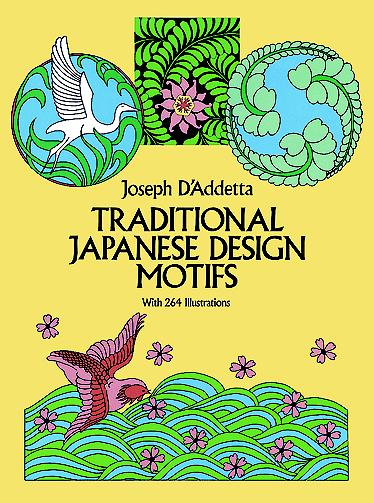
Traditional Japanese Design Motifs
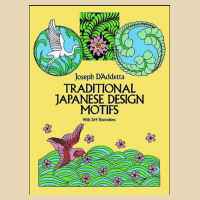 |
Over 264 readily usable, royalty-free, authentic Japanese designs from ceramics, textiles, lacquerwork, screens, fans, woodblock prints and more. Includes plates grouped into seven categories: Plants & Flowers, Animal Life, Human Figures, Symbolic Objects, Geometric Patterns, Water & Wave forms, plus Ceramic Objects. Each category has a wide range of stunning variations on the major motifs. |
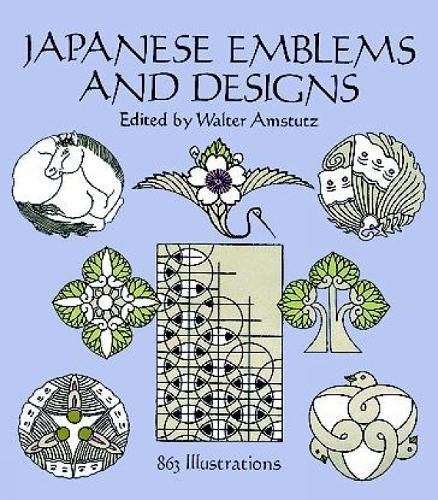
Japanese Emblems & Designs
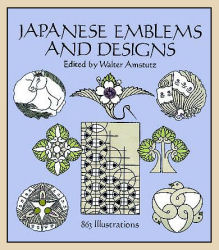 |
Japenese design has been admired by many for their ingenuity, detailed patterns and amazing invention. Almost 800 copyright-free mon (emblems or crests) combine natural and geometric forms for striking effects. Ideal for jewelry, design, mosaics and more. The great artist Hokusai has several designs included from an extremely rare 1824 publication. Jack Hillier is a well known authority on Japanese art who provides his perspective on this beautiful design book. |
Japanese Floral Patterns & Motifs
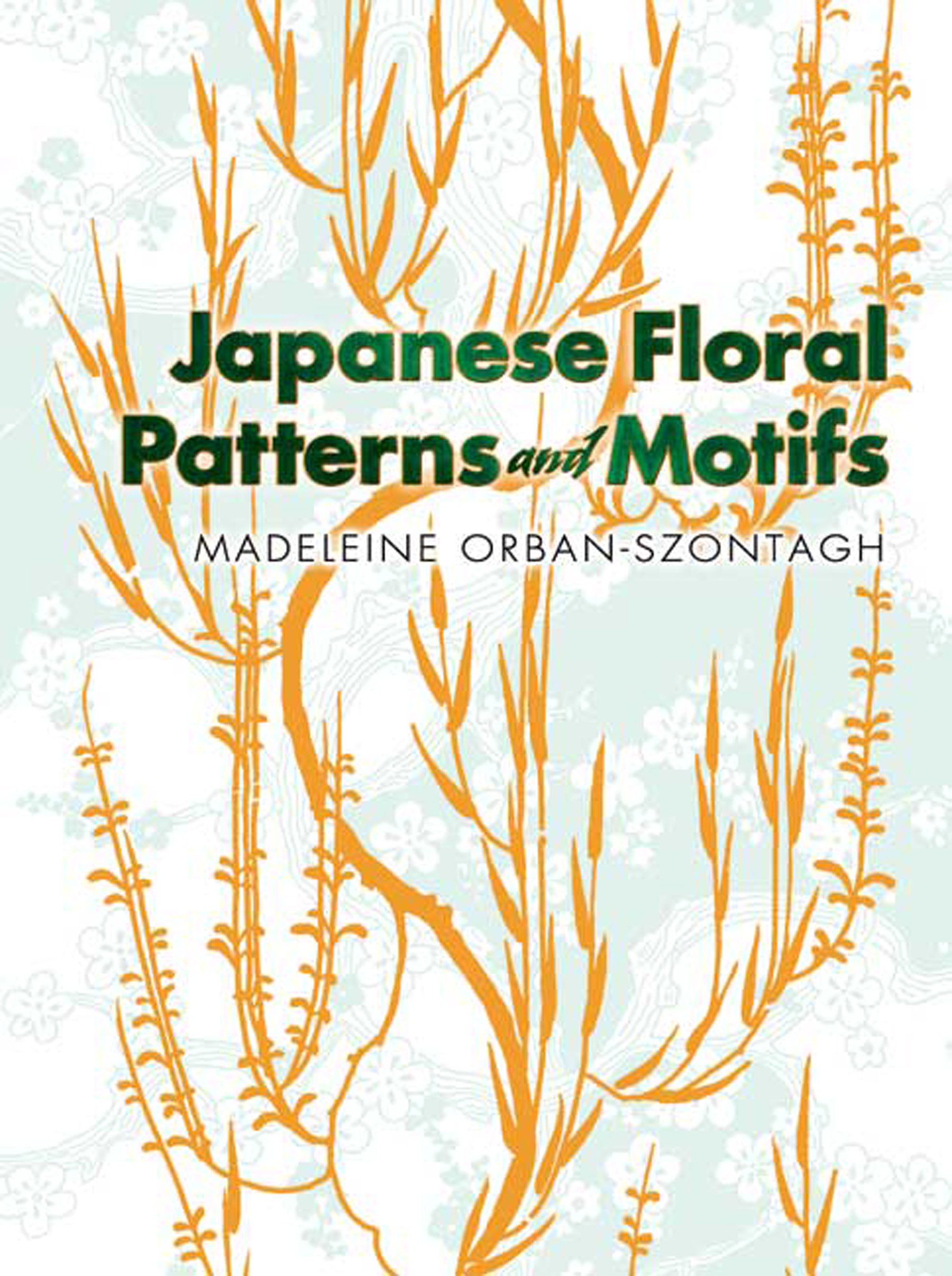 |
45 royalty-free floral designs based on Japanese art and costume with a wide variety of patterns and motifs: allover patterns, individual nature scenes, grand floral sprays or tree branches, and some featuring birds and butterflies, some delicate and full of fine detail, others bolder in concept. Madeleine Orban-Szontagh has adapted these designs from watercolors, screens, lacquer boxes, wall hangings, the fabulous costumes of the Noh drama, and many examples of kimonos — all dating from the sixteenth to nineteenth centuries. |
Persian Designs & Motifs
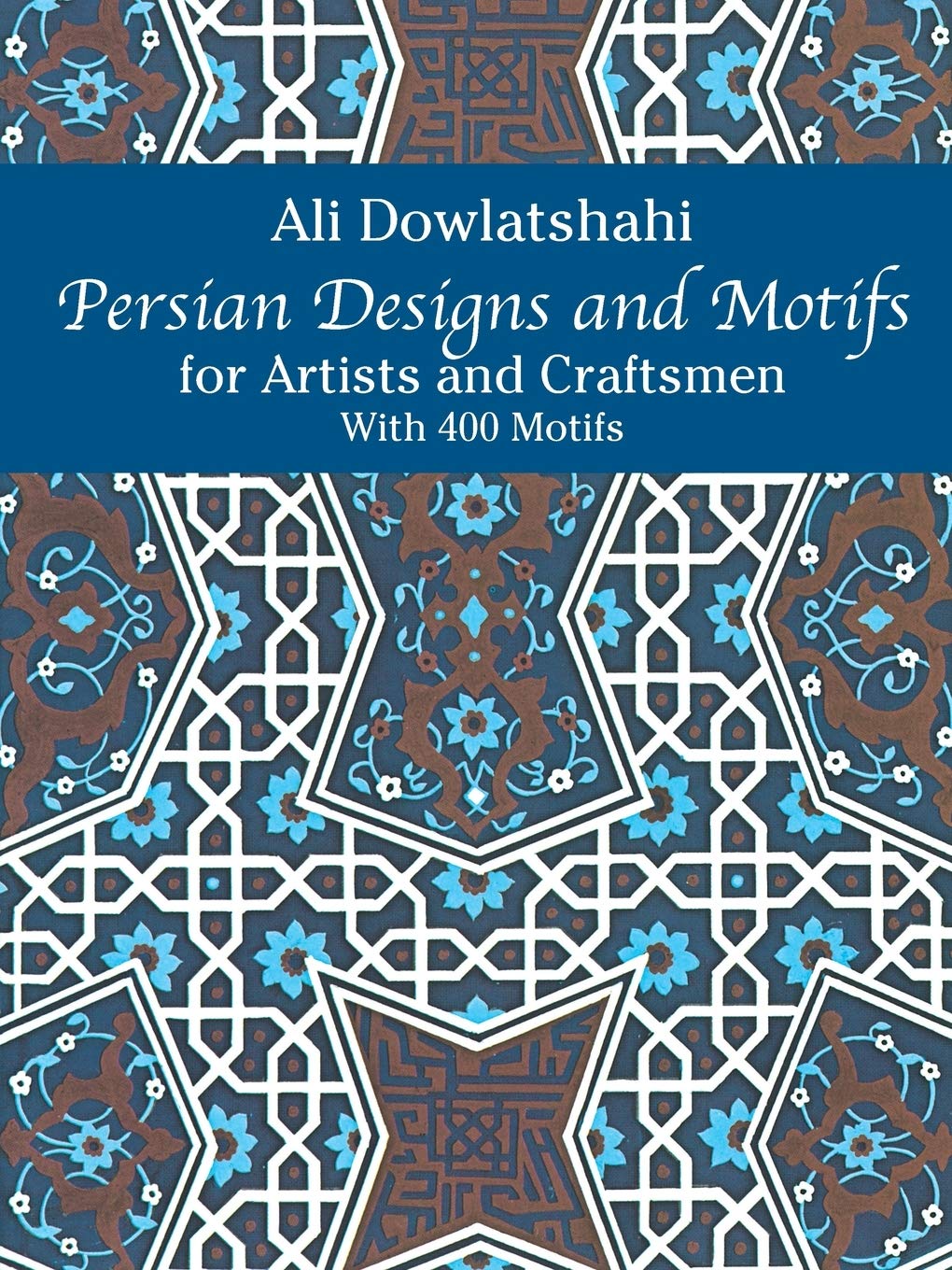 |
Ali Dowlatshahi is a native Iranian and well-known artist. This book spans the full spectrum of Iranian art, including the Achaemenian, Parthian, Sassanian, and Safavid eras. The designs are drawn from textiles (weaves, printed fabrics, embroidery, carpets), ceramics (pottery and tile), carved and incised work (stucco, stone, metal), miscellaneous ornament, book illustration, and calligraphy. Motifs include floral patterns, geometrics, arabesques, mythical creatures, rosettes, paisley patterns, palmettes, medallions, border and marginal decorations, scrolls, curves, and hunting scenes.
|
A Treasury of Design for Artists & Craftsmen
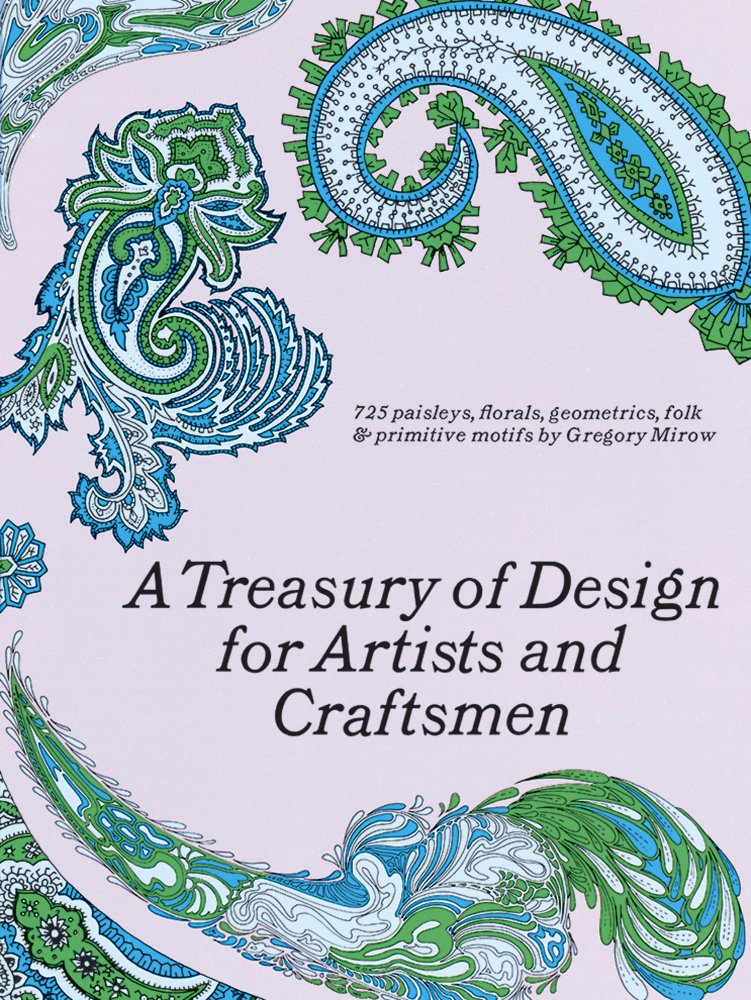 |
Gregory Mirow provides all designs in line, and can be used as they are or colored to achieve new optical effects. Designs are based on sprigs of flowers, fruits and vegetables, birds, animals, and scenic; ancient motifs; Pennsylvania Dutch designs; folk art of Mexico, South America, and Scandinavia; dozens of paisley patterns; op art stripes, plaids, and geometrics; Art Nouveau florals and medallions; designs suggestive of cross-stitching, antique valentines, snowflakes, and quilt patterns. |
Symbols, Signs & Signets
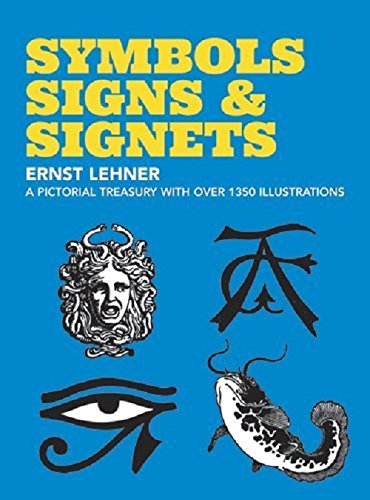 |
Ernst Lehner, an expert in the field of graphic art, gives you 13 sections: Symbolic Gods and Deities; Astronomy and Astrology; Alchemy, Magic, and Mystic; Church and Religion; Heraldry; Monsters and Imaginary Figures; Japanese Crests; Marks and Signets; Watermarks (fourteenth–eighteenth centuries); Printer's Marks (fifteenth–seventeenth centuries); Cattle Brands; and Hobo Signs. All the signs, symbols, and signets are pictured in black and white on strikingly laid out pages, with full explanatory notes for both lay readers and specialists.
|
Book of Signs
 |
An unusual collection of primitive and medieval symbols. It is also a graphic history of the development of written communication and offers a singular insight into the psychology of the primitive mind. Contains 493 classified and documented illustrations, collected, drawn, and explained by the celebrated typographer Rudolf Koch. Divided into 14 different categories, it includes General Signs, The Cross, Monogram of Christ, Other Christian Signs, Monograms of Medieval Church and State Leaders, Stone Masons' Signs, The Four Elements, Astronomical Signs, Astrological Signs, Botanical Signs, Chemical Signs, House and Holding Marks, Miscellany, and Runes.
|
159 Celtic Designs
 |
The eye-catching intricacies of Celtic design, organic shapes, often incorporating sinuous interlacements of animal and abstract motifs, blend with both traditional and contemporary settings. Amy Lusebrink presents over 150 Celtic borders, alphabets, and decorative designs. Each design has been clearly and boldly drawn to provide the clearest possible image for reproduction. The letters, borders, and motifs are presented in a variety of interesting shapes and sizes to find the design that best suits your needs. |
Treasury of Flower Designs
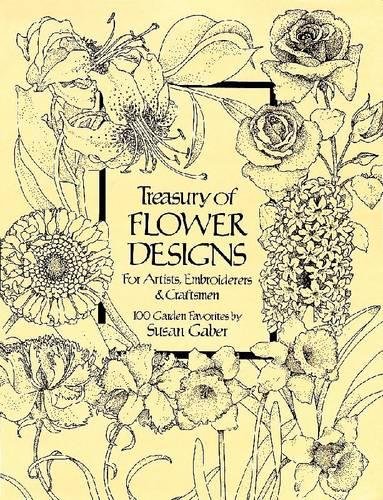 |
Susan Gaber's garden is a black-and-white Eden of lush flower design — 100 botanically accurate garden flowers. All the drawings may be used royalty-free. The flowers are drawn with sinuously weaving leaves and stems, flowing and swaying as in a breeze on the page: some of the flowers appear several times, and many of the drawings form frames, repeating borders, and motifs. The flowers, many full-page, include African Violet, Begonia, Orchid Cactus, Columbine, Daffodil, Dogwood, Iris, Peony, Snapdragon, Tobacco, and more. |
American Indian Design & Decoration
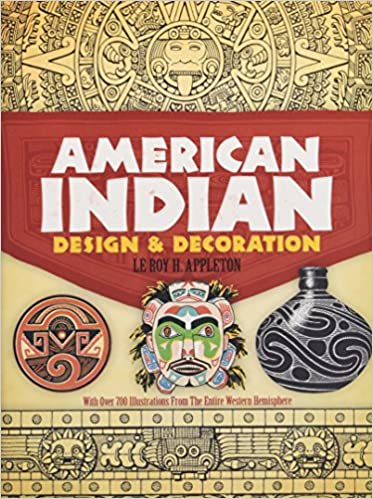 |
The most original and most powerful design art produced in the Western Hemisphere is also its most indigenous: that of the Indian, in innumerable cultures existing from prehistory to the arrival of the white man. The arts and crafts of Inca, Tiahuanaco, Chimú, Maya, Axtec, Zapotec, Totonac, Mixtec, Navaho, Zuni, Hopi, Apache, Cherokee, Creek, Winnebago, Dakota, Blackfoot, Nez Percé, Cheyenne, Crow, Sioux, Cochiti, Haida, Bellacoola, and others known and unknown. |
Southwestern Indian Designs
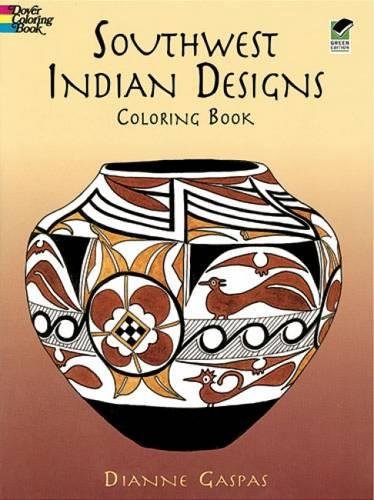 |
Dianne Gaspas gives you clearly rendered in fine detail, these 30 royalty-free illustrations depicting a wide array of patterns taken from rugs, masks, sand paintings, pottery, jewelry, baskets, and other artifacts created by southwestern Native Americans. Included are geometrical designs on a Navajo woven saddlebag, a Chumash rock painting of mythical creatures, a colorful Hopi kachina doll, a lovely Acoma bowl decorated with floral & animal designs, an Apache "crown headdress," and 25 other handsome motifs. |
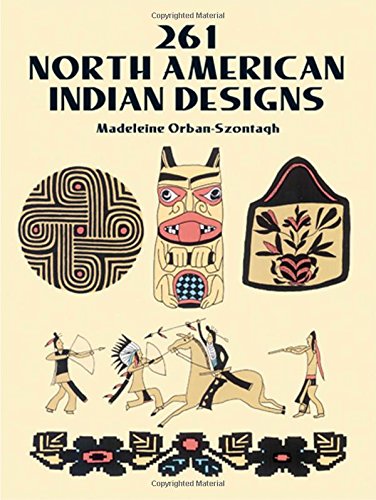
261 North American Indian Designs
 |
Treasury of clearly drawn illustrations based on authentic design motifs created by the Sioux, Blackfoot, Apache, Cheyenne, Navajo, Hopi, Seminole, and other tribes. Adapted from textile patterns, wood carvings, ceramics, and other traditional craft forms, the royalty-free designs include abstract and floral motifs as well as human, animal, and mythical figures. |
Designs from Pre-Columbian Mexico
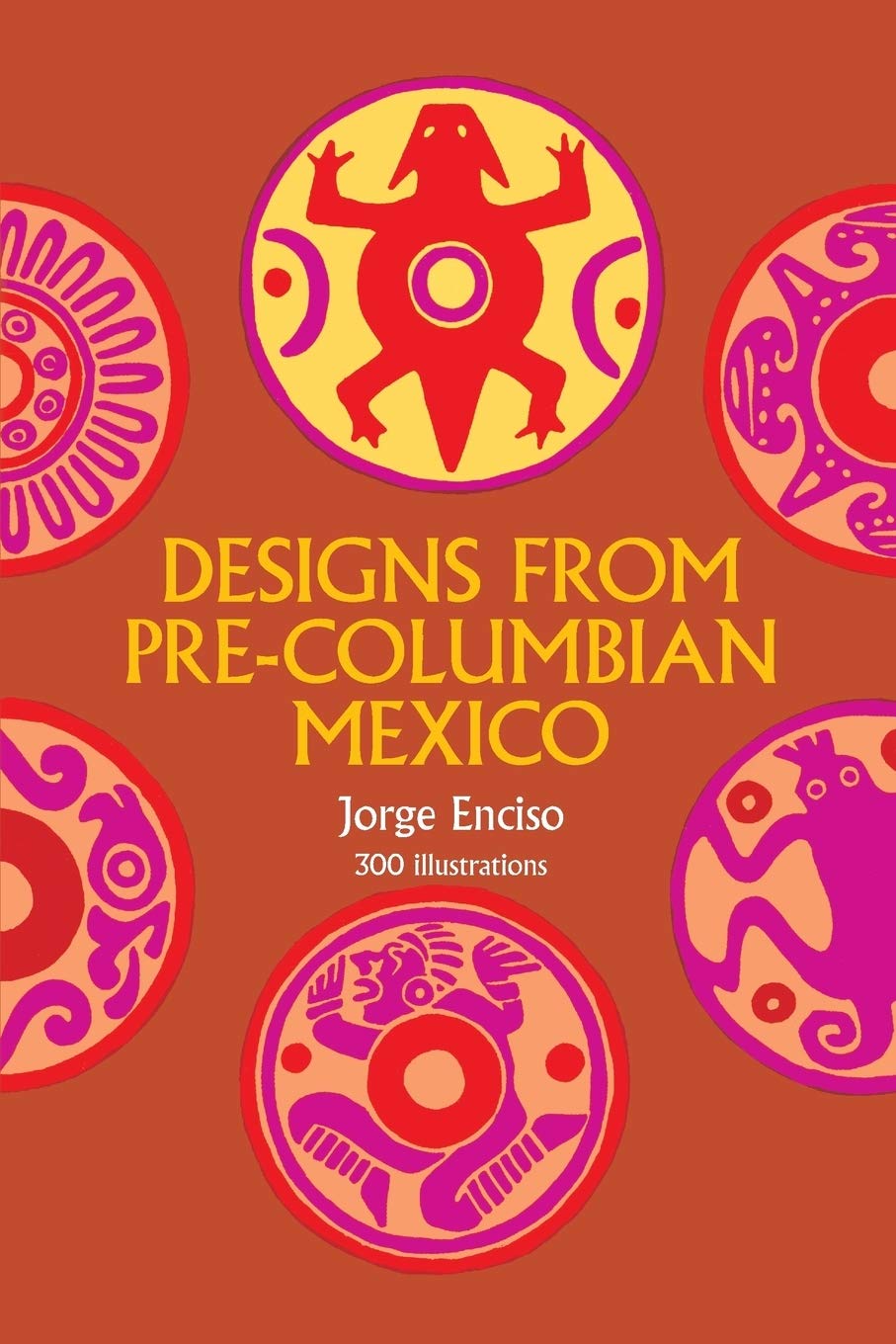 |
A source of 300 original motifs created by the Aztecs, Toltecs, Totonacs, and others. Found on malacates, small clay spindle weights or whorls made by the pre-Conquest peoples of Mexico and discovered in archeological digs. Rendered in sharp black-and-white, the designs may be reproduced, enlarged, reduced, or altered at will. The designs were selected by Jorge Enciso, an outstanding figure in the cultural life of Mexico, from malacates in the archeological museums of Mexico City, Teotihuacán, and Tuxtla Gutiérrez, and the collections of Diego Rivera, William Spratling, Roberto Montenegro, and others. |
Islamic Designs
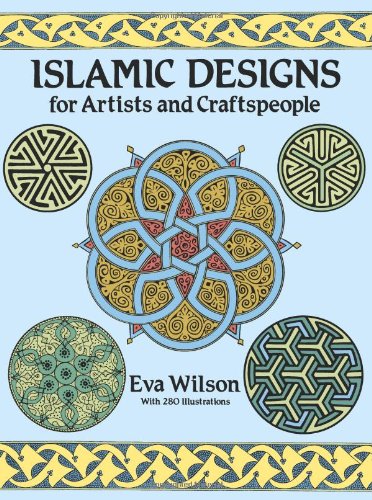 |
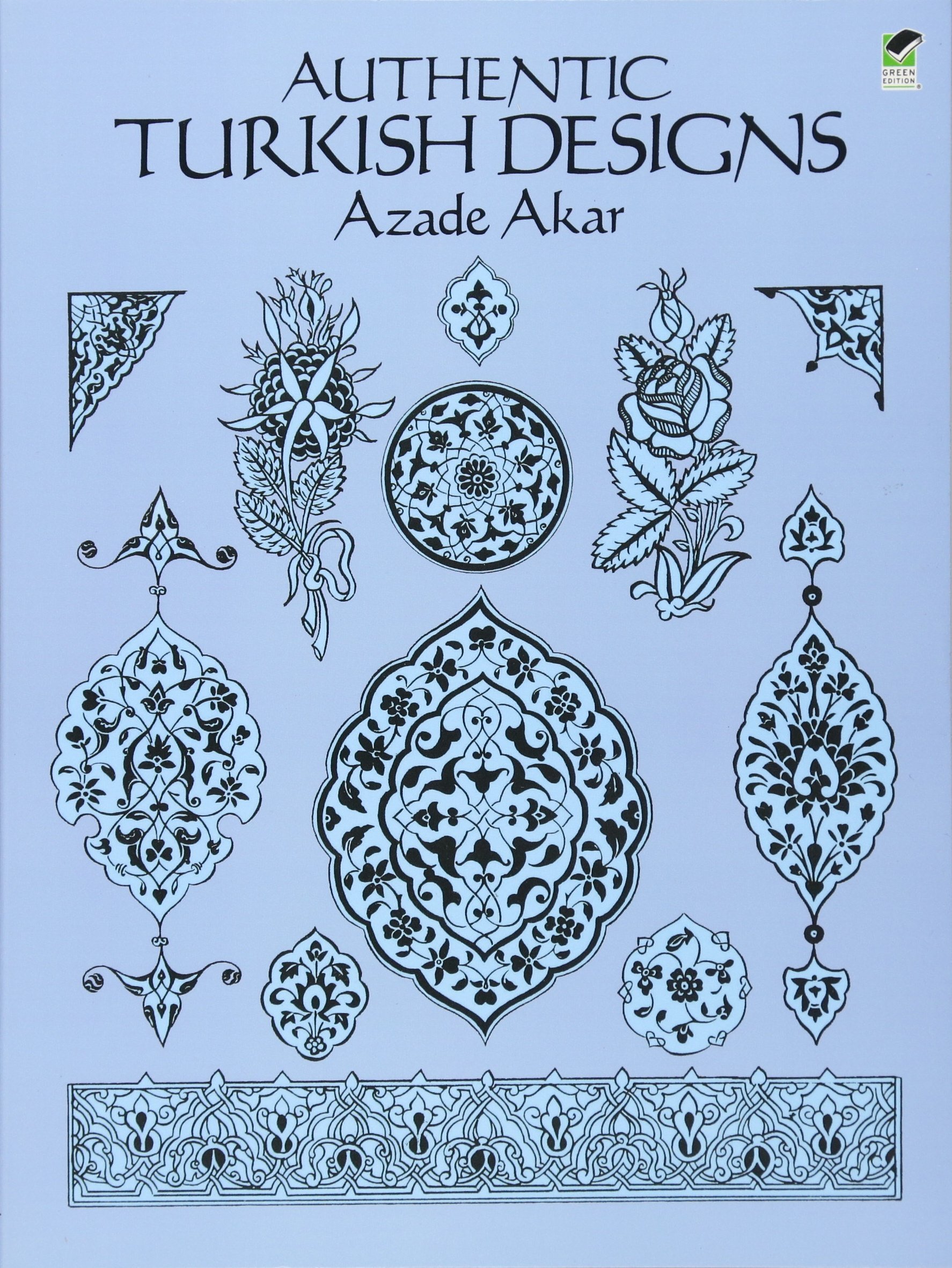
This handsome book, with over 250 bold black-and-white illustrations, all permission-free, offers elements of authentic Turkish design. Plant motifs, animals, birds of myth and legend, from dragons to harpies, along with chain patterns, geometric and symbolic motifs, architectural forms, stylized suns and moons, rosettes and borders, calligraphic lettering, and Turkish adaptations of rococo designs are represented. Designs in many sizes and shapes have been included in this outstanding collection, every detail rendered in a clear, easily reproducible image. |
Authentic Turkish Designs
 |
Japenese design has been admired by many for their ingenuity, detailed patterns and amazing invention. Almost 800 copyright-free mon (emblems or crests) combine natural and geometric forms for striking effects. Ideal for jewelry, design, mosaics and more. The great artist Hokusai has several designs included from an extremely rare 1824 publication. Jack Hillier is a well known authority on Japanese art who provides his perspective on this beautiful design book. |
Decorative Flower & Leaf Designs
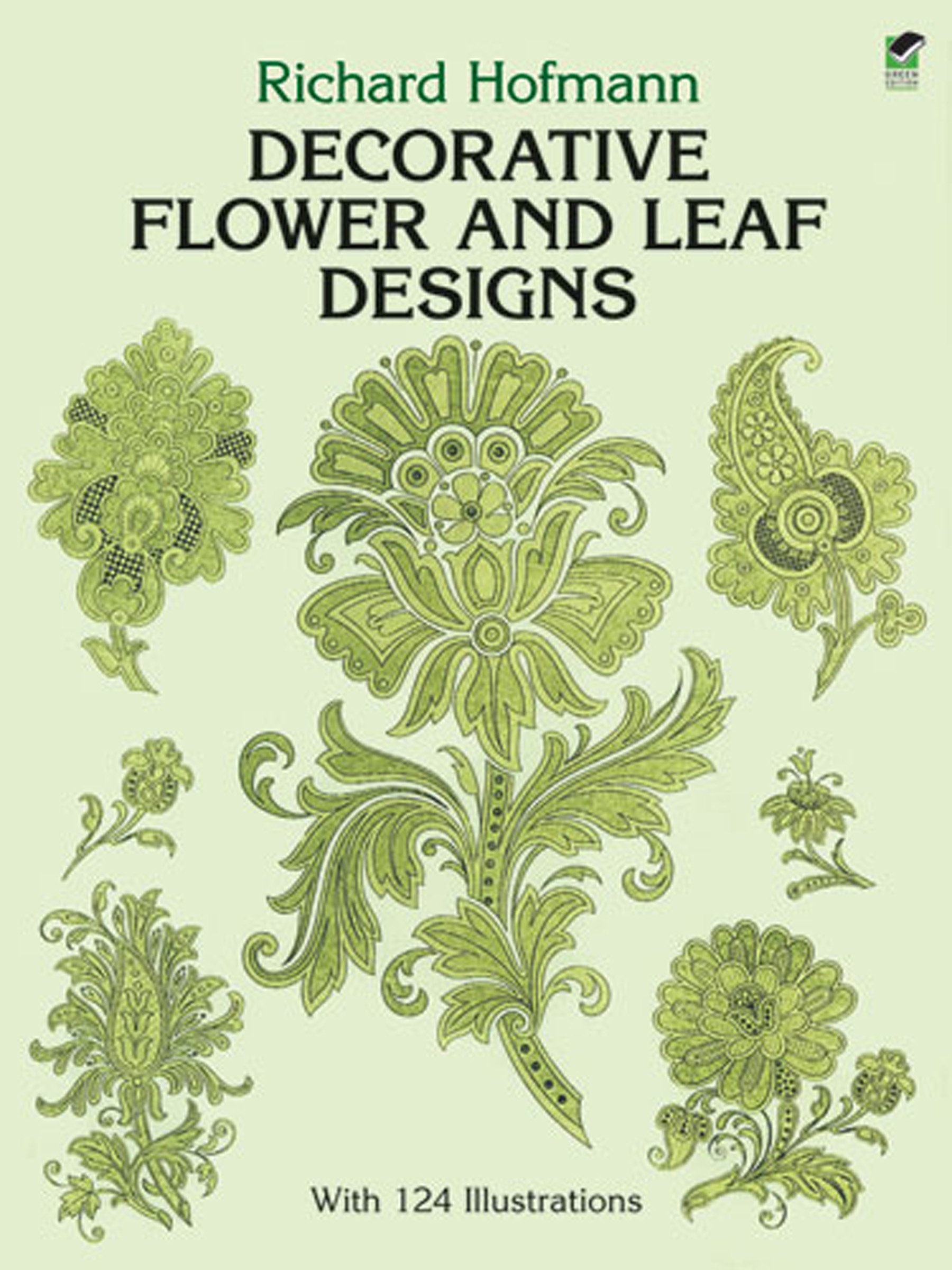 |
A rich selection of floral and foliate motifs, reprinted from a rare German collection of the late nineteenth century, with 124 royalty-free stylized designs. Buds, blossoms, stalks, and foliage are depicted in a simple and attractive style reminiscent of the woven fabric patterns of the early northern Renaissance. Ideal for many practical uses — stenciling, leatherwork and metalwork, fabric painting, textile design, and more — the motifs are also valuable simply for design inspiration. |
|


 Portland Follow Us!